Case Summary
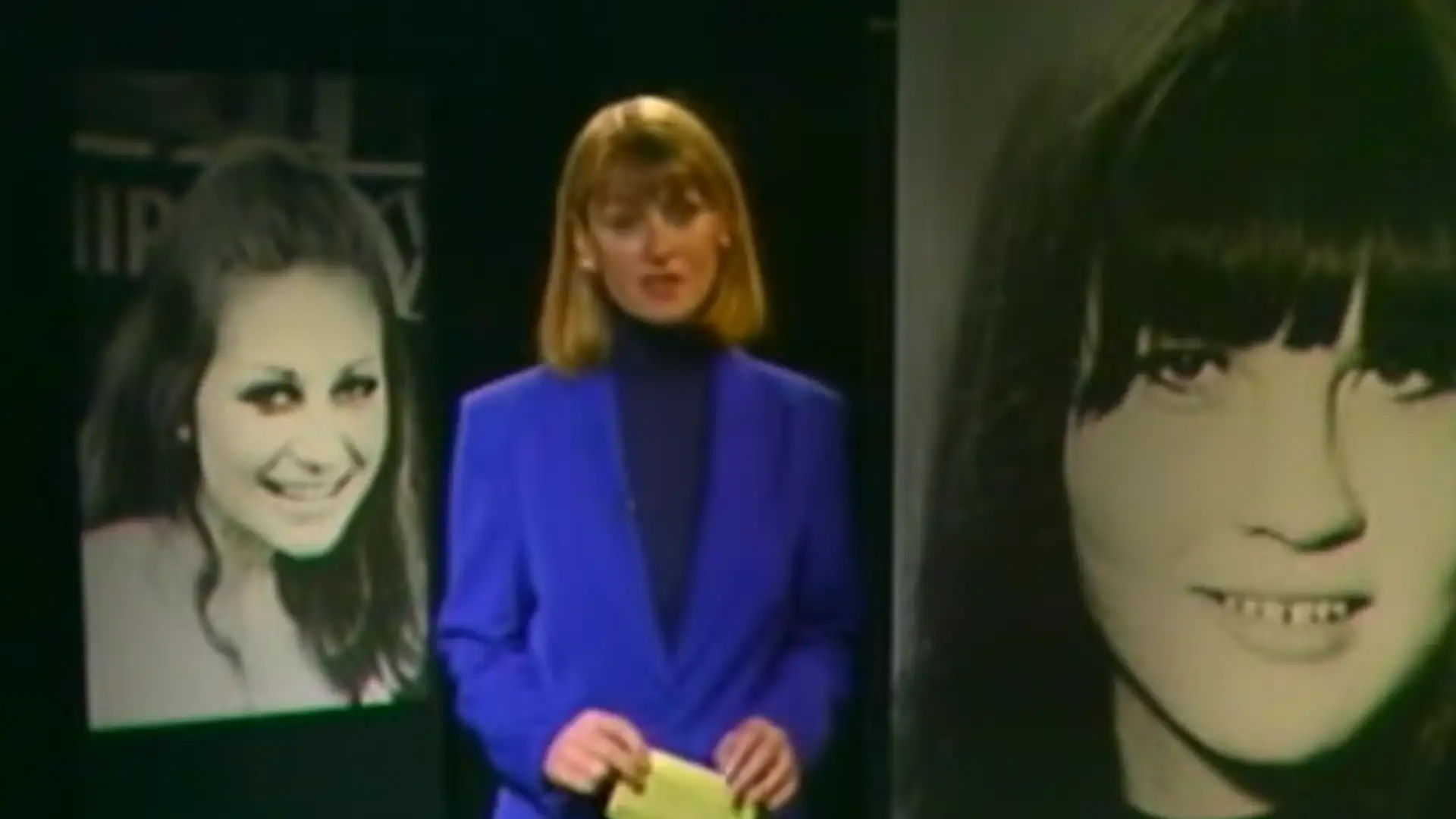
In 1970, Jacqueline Ansell-Lamb and Barbara Mayo set out from London on separate journeys towards the north of England. Both were young women building lives of their own, and both were believed to have relied on lifts from strangers. Within seven months, each would be found murdered in woodland close to a major motorway. The similarities prompted fears that one offender was using Britain’s expanding road network to find his victims.
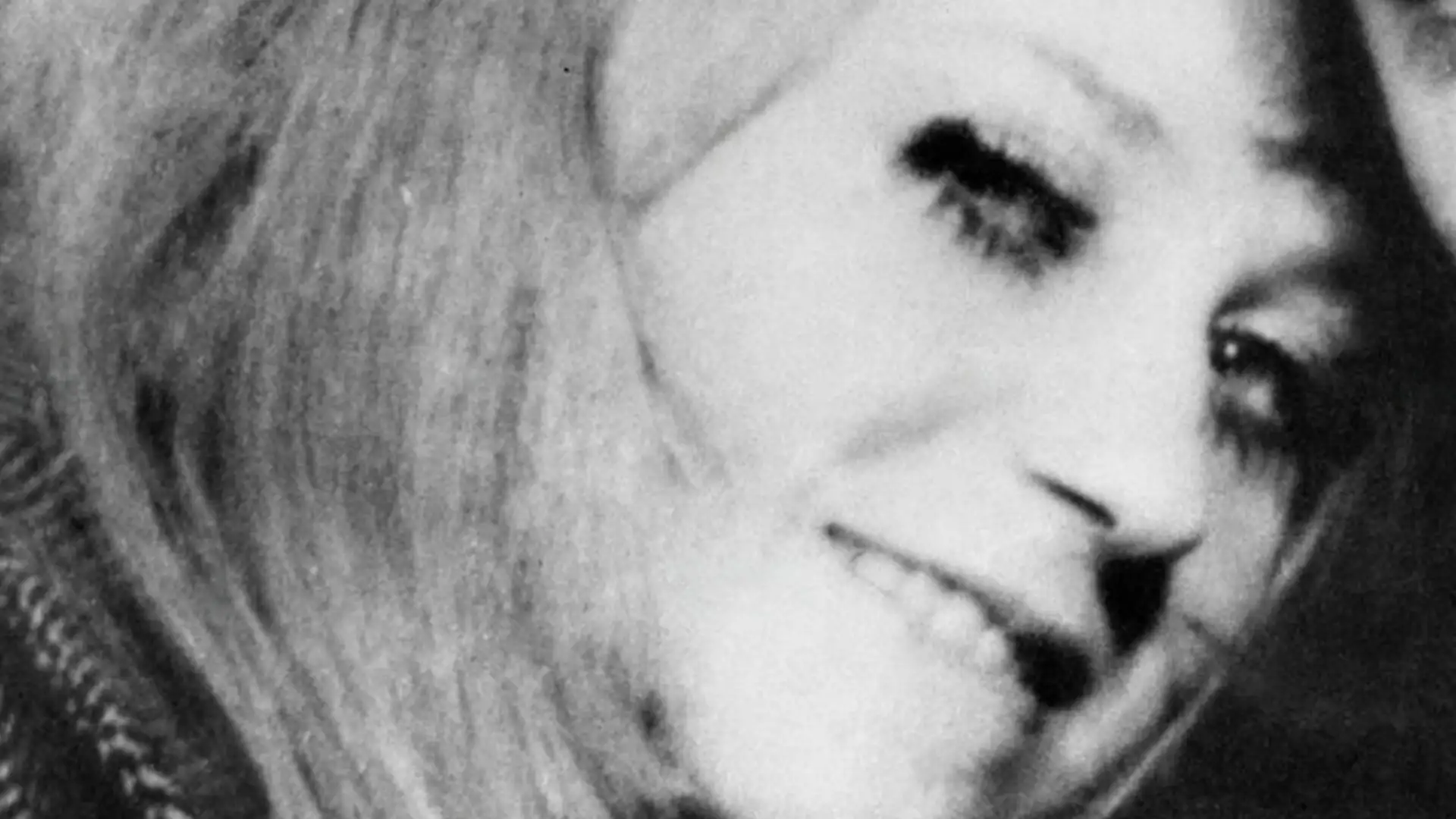
Jacqueline, known to friends as Jacqi, was 18 and had recently moved from Pinner to Manchester. She shared a flat in Whalley Range and had found work as a typist. Her father remembered a sociable young woman who enjoyed life and loved parties. On the weekend of 7 and 8 March, she returned to London with her flatmate for a party in Earl’s Court. They travelled back separately because Jacqueline did not have a return rail ticket.
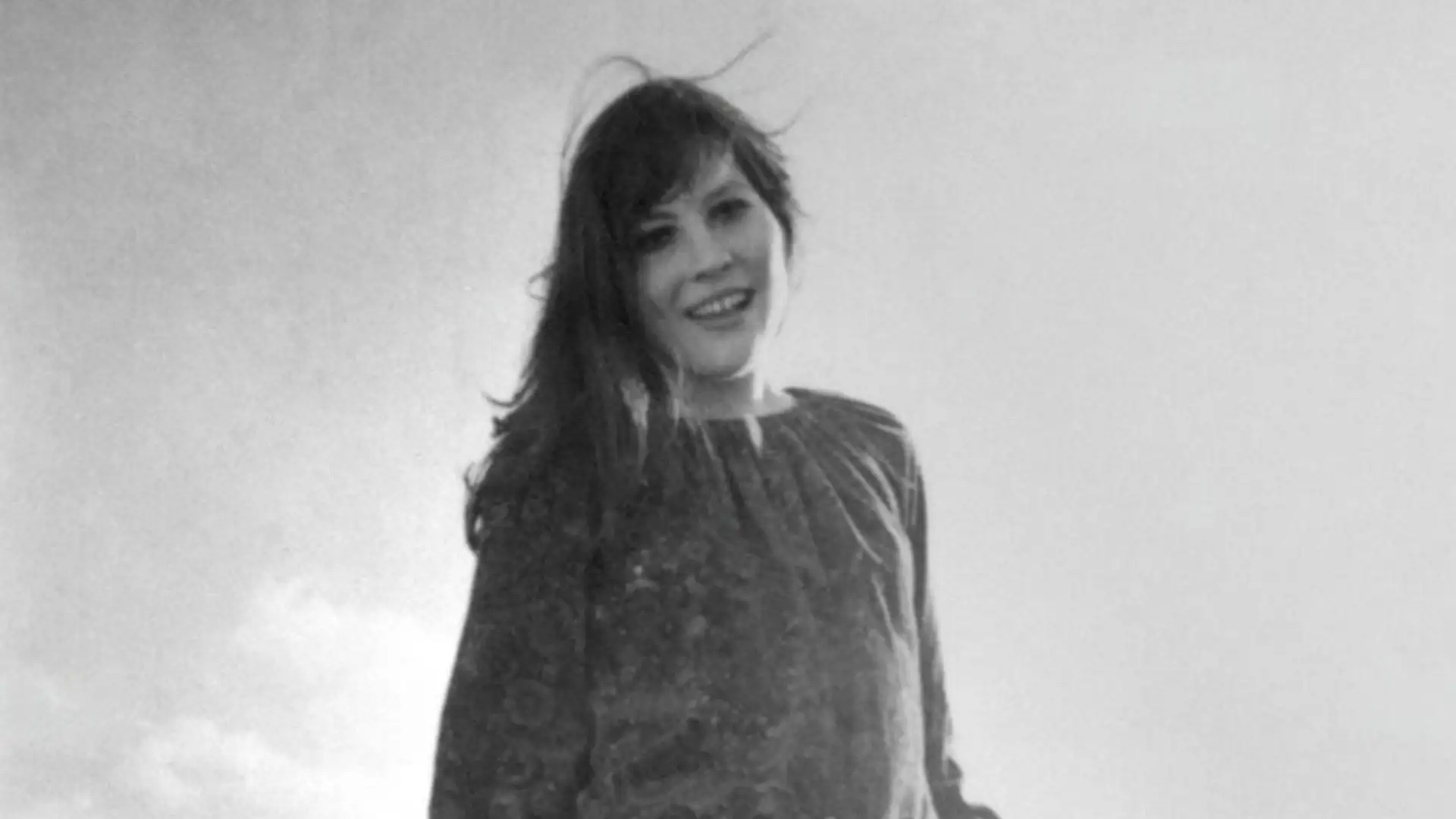
Barbara was 24, lived in Shepherd’s Bush and worked as a part-time schoolteacher. She was confident and widely travelled, having previously hitchhiked across Europe. On Monday 12 October, she left home intending to reach Catterick in North Yorkshire and collect a car. Her planned route took her towards the M1 at Hendon. When she failed to return, she was reported missing the following day.
Jacqueline's last journey
A man named David Sykes gave Jacqueline a lift to the Brockley Hill interchange on the northern edge of London. He last saw her walking towards the M1. Detectives then tried to reconstruct a journey of almost 200 miles from a scattered series of sightings. Students recalled a young woman resembling Jacqueline getting out of a lorry near the M1-M6 junction and entering a turquoise-and-white Mini. Another possible sighting placed her near the Tabley interchange in Cheshire at about 9.30pm.
Police considered a sighting at a transport cafe near junction 20 of the M6 particularly important. Several witnesses believed Jacqueline was there between 9pm and 10pm with a smartly dressed man in his twenties. He was described as about 5 feet 9 inches tall, with dark hair and a medium build. A composite image was released, but the man was never identified. Whether every sighting concerned Jacqueline could not be established.
On Saturday 14 March, farmer Ted Whittaker and his ten-year-old son Andrew were working near Square Wood at Mere, outside Knutsford. Andrew noticed a bag and clothing among snow and fallen leaves, then discovered Jacqueline’s body. She had been sexually assaulted, struck and strangled with a ligature. Injuries to her face and neck suggested that she had fought her attacker. Her body had not been concealed.
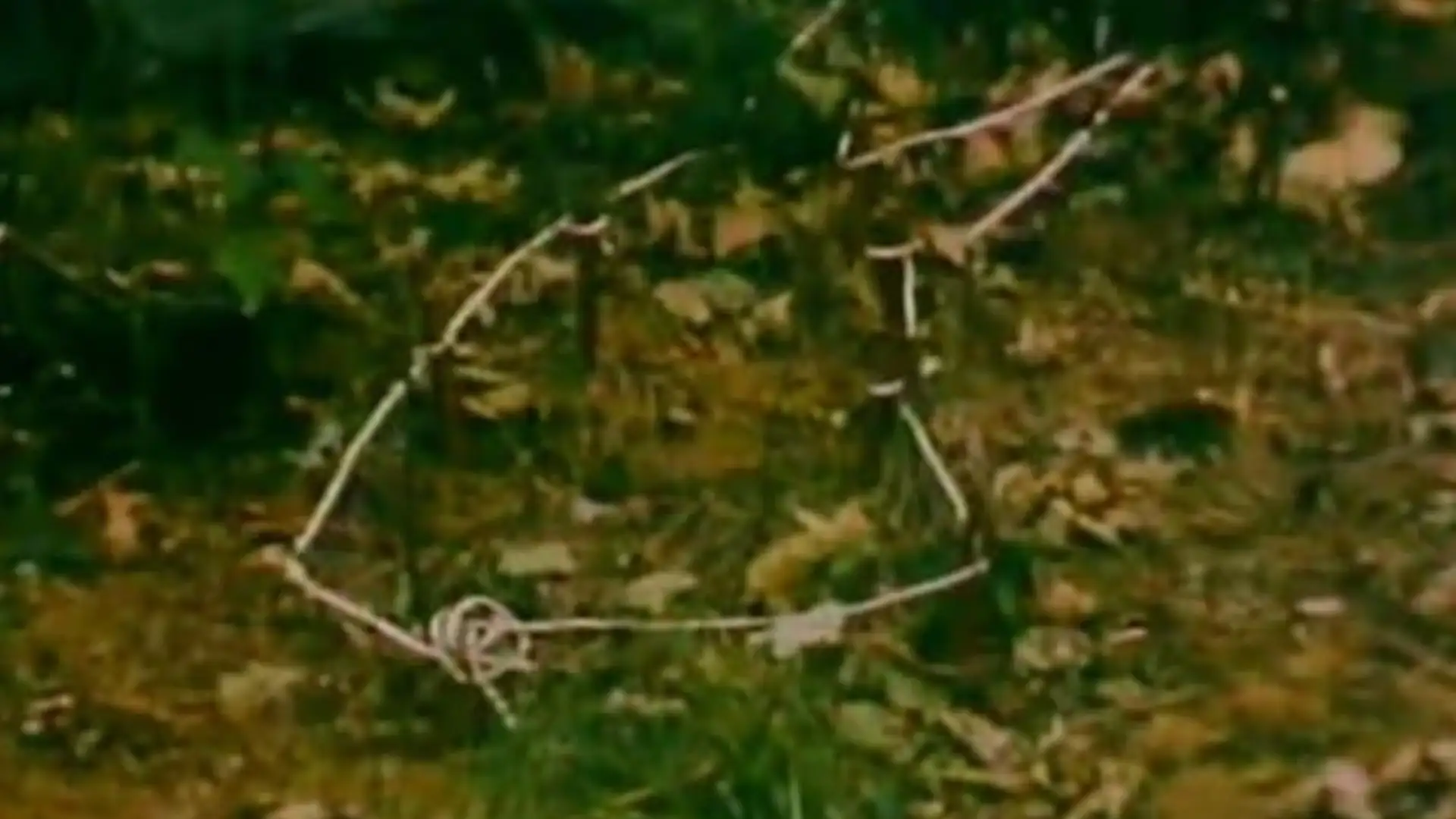
The inquiry was led by Detective Chief Superintendent Arthur Benfield of Cheshire CID. Officers interviewed more than 12,000 people and took hundreds of statements. A police sergeant dressed in replicas of Jacqueline’s clothes for a filmed reconstruction near the A556, part of an unusually ambitious publicity campaign that also used colour posters and television displays at service stations. Despite the scale of the work, the inquest in June returned a verdict of murder by a person or persons unknown.
“In each case, the victim was found murdered, having been raped and stranged by ligature, in undergrowth in woods about a mile from the motorway intersection. The victims had their own coats thrown over them and buttons had been removed from these coats and taken away by the killer.”
Detective Superintendent David Doxey, Derbyshire Constabulary
The murder of Barbara Mayo
Scotland Yard circulated Barbara’s photograph after she disappeared. On Sunday 18 October, a family collecting chestnuts at Ault Hucknall in Derbyshire found her body in woodland a few miles from junction 29 of the M1. Barbara had been sexually assaulted, beaten about the head and strangled with a ligature. Part of her body had been covered with a coat or blanket and leaves. Police believed she had been killed on or soon after the day she left London.
Detectives searched for anyone who had seen Barbara on the motorway. Staff at Trowell services thought she had been travelling north in a white Vauxhall Viva, while other witnesses described a woman resembling her accepting a lift near Kimberley from the driver of a light-coloured Morris Traveller. Police circulated a composite image of a clean-shaven, well-groomed man aged about 25 to 30 and attempted to trace Morris Travellers across the country. The driver was never found, and Barbara’s former boyfriend later questioned whether the Kimberley sighting had involved her at all.
A distinctive yellow leather bag Barbara had carried also vanished. Bought abroad, it had a red elephant design and was rare enough to offer investigators a strong identifying feature. Police displayed a replica on television and even promised that anyone who had found or taken it could return it without being prosecuted for doing so. It has never been publicly reported as recovered.
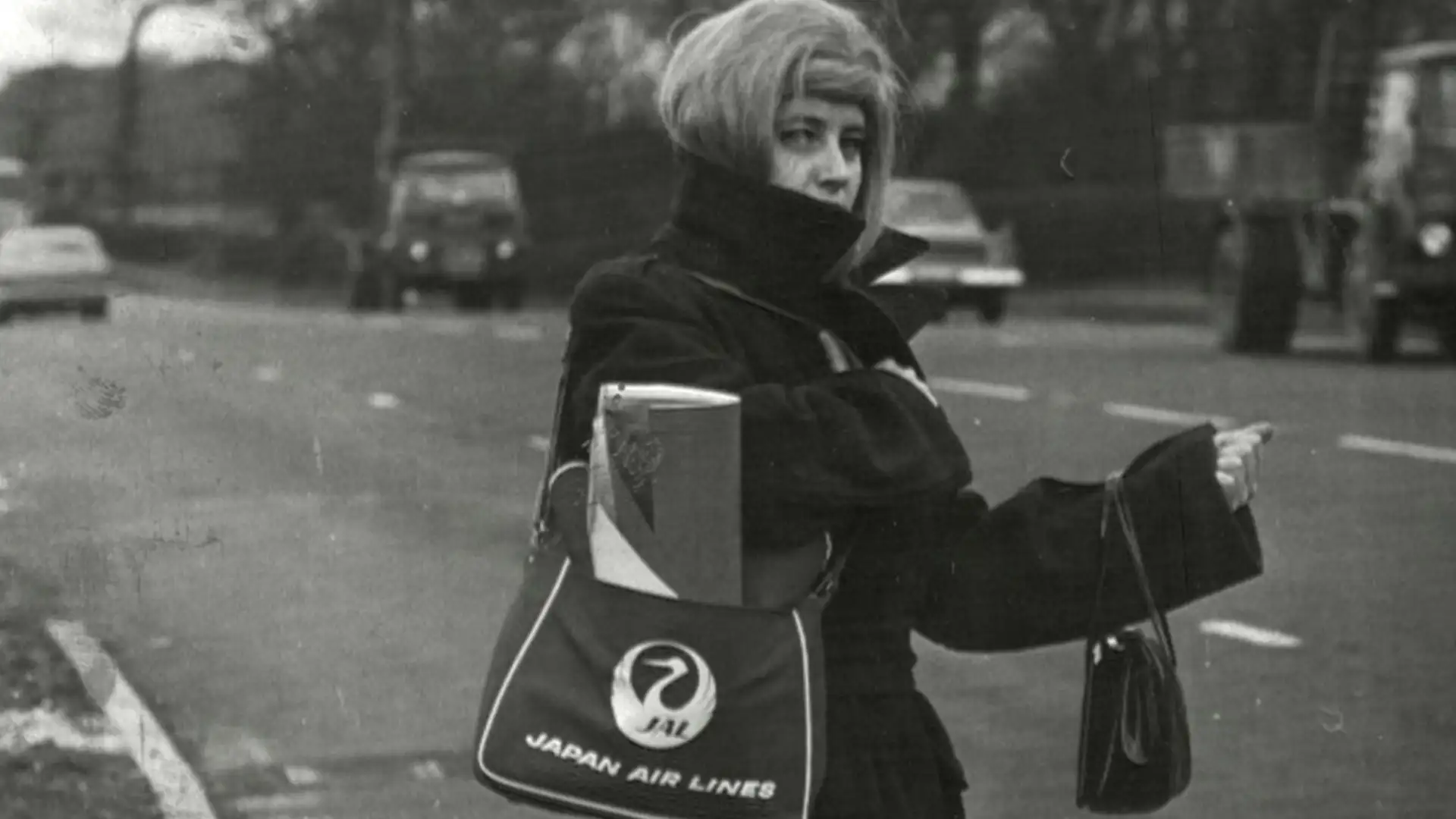
The response was extraordinary. Around 1,500 officers established coordinated checkpoints along the M1 from London to Leeds, stopping and questioning tens of thousands of motorists under a temporary news blackout. A police constable who closely resembled Barbara retraced her route for a televised reconstruction. Hundreds of possible sightings followed, but none led detectives to the person who killed her.
Fresh appeals and forensic evidence
The investigations continued after the first intense months. In 1990, renewed appeals produced hundreds of calls, including one from a man claiming to possess information that had not been made public. The following year, Crimewatch examined the cases together. Detectives investigating Jacqueline’s murder revealed that carpet fibres had been recovered from her body and appeared more likely to have come from a roll or sample than from a fitted vehicle carpet. They again appealed for the man seen with her at the motorway cafe.
The most significant forensic development came in September 1997, when advances in testing allowed Derbyshire Police to obtain a DNA profile from biological material on Barbara’s clothing. It was checked against the national database and used to eliminate many people who had appeared in the original inquiry. Officers also sought samples from individuals overseas. No match has been publicly announced.
The DNA position has sometimes been misreported. A profile has been publicly confirmed in Barbara’s case, not Jacqueline’s, and there has never been a confirmed DNA match linking the two women. The resemblance between the crimes therefore remains an investigative theory rather than proof of a single murderer. Men discussed publicly over the years, including Peter Sutcliffe, Peter Tobin and Harvey Richardson, have not been linked to both killings by reliable evidence.
Similarities without an answer
The parallels are substantial. Jacqueline and Barbara were travelling north from London, apparently by hitchhiking, when they disappeared. Both were sexually assaulted and violently attacked before being strangled. Each was left in secluded woodland within easy reach of a motorway junction, and possessions were missing from both crime scenes. Contemporary investigators shared information, while newspapers turned the possibility of a serial offender into the label ‘Monster of the Motorway’.
Yet resemblance is not identification. The sightings of Jacqueline at the Cheshire cafe and Barbara near Kimberley were never proved beyond doubt, and neither of the men described by witnesses was traced. The anonymous letter sent to a newspaper in 1971, claiming responsibility for a motorway killing, was treated seriously but never authenticated. Later theories connecting the murders to other cases have also failed to produce a charge or a conclusive forensic link.
What remains are two women, not a headline. Jacqueline was at the beginning of an independent life in Manchester; Barbara was a teacher and an experienced traveller undertaking a familiar kind of journey. Their families endured enormous public investigations without learning who was responsible. Both murders remain unsolved, and any new information must be judged against the evidence preserved in two separate cases rather than the mythology that grew around them.