Case Summary
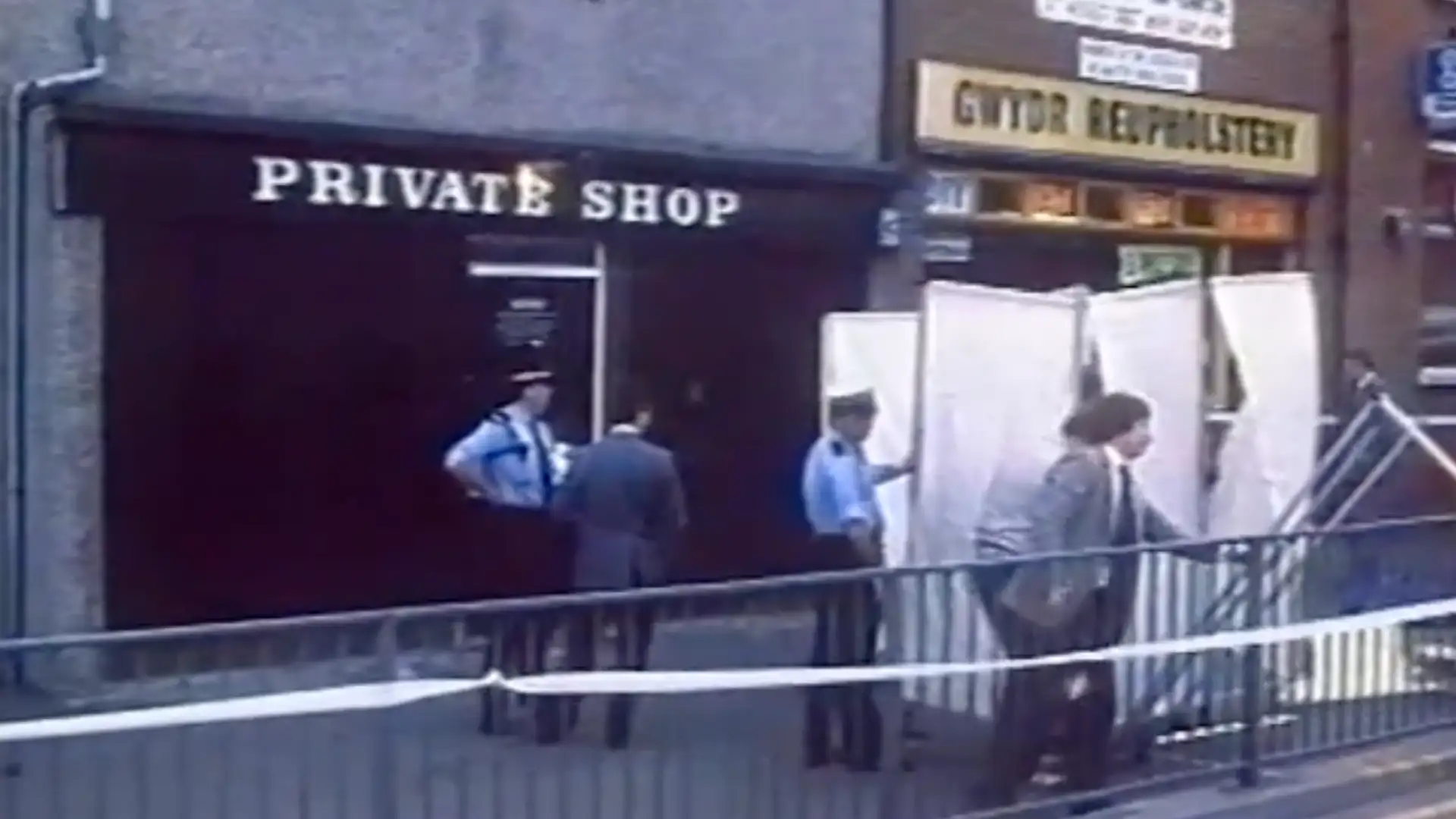
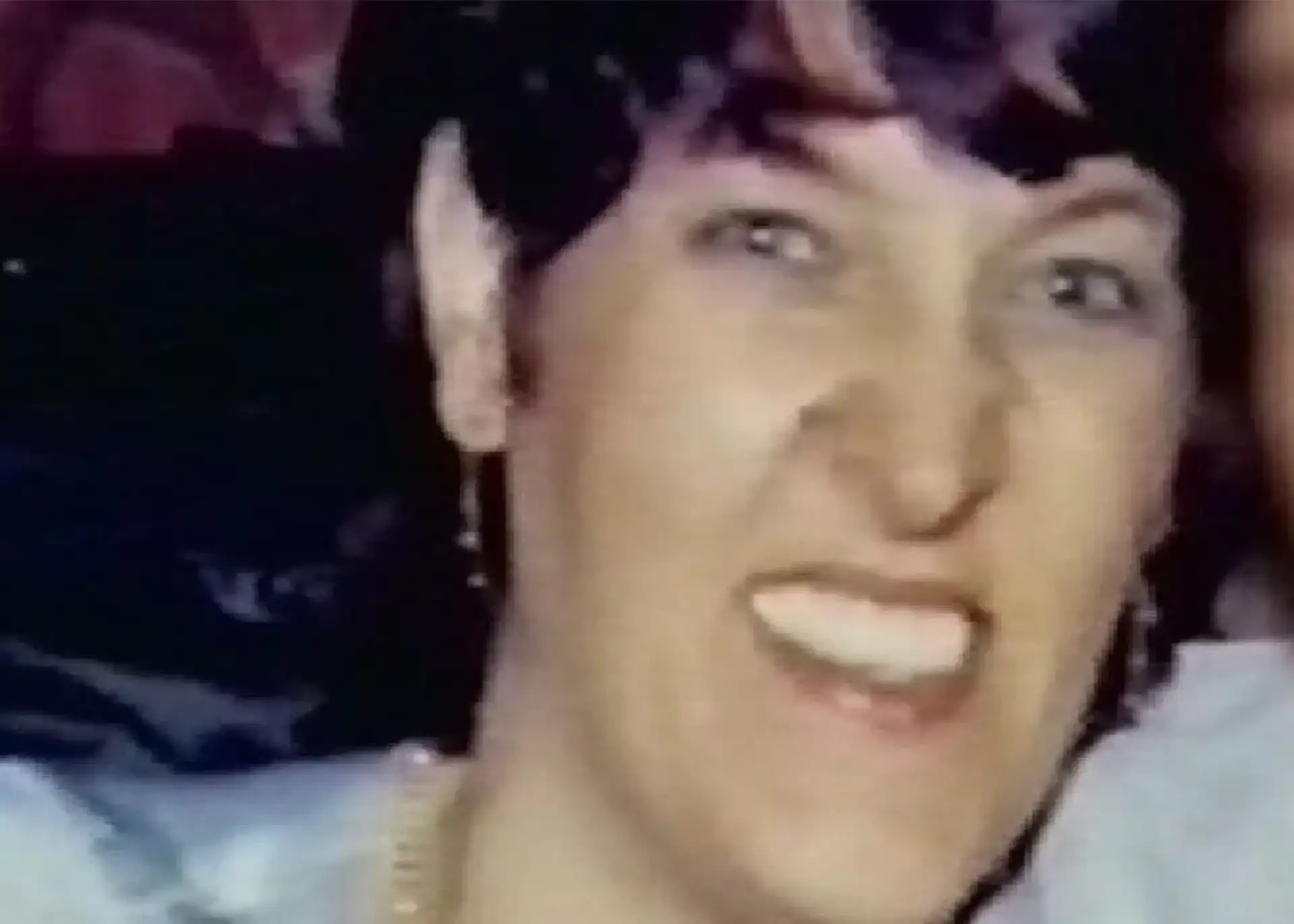
On Friday 14 June 1985, Sandra Phillips went to work at the Private Shop in Dillwyn Street, Swansea. The 38-year-old mother of four had taken the job only weeks earlier to help the family income. She treated it as ordinary work, but told her husband Peter that being alone in the shop left her exposed. Some customers had behaved indecently, and the solitary shifts troubled her.
That morning, four telephone calls to the shop went unanswered. The area manager, Anthony Williams, eventually went there himself. The door was locked and the usual “back in two minutes” sign was not displayed. He let himself in with his own key and immediately noticed a powerful smell of petrol. A red basque from the shop’s stock lay inexplicably in the middle of the floor. He then found Sandra’s body.
Sandra had suffered an exceptionally violent assault. She had been beaten so severely that numerous bones were broken or fractured; her jaw was left barely attached and part of her scalp had been removed. Police believed she had still been alive at about 11am, based on the last transaction recorded by the till. Her body was not discovered until 1.45pm.
Several details suggested an attempt to confuse or destroy evidence. Petrol had been poured inside, though no fire was started. The telephone handset was missing and may have been used in the assault, possibly with a wooden stick or table leg. Sandra’s keys were taken, allowing the attacker to lock the shop from outside. Some cash and banking documents were also missing. Police later stated that she had not been raped.
The confession
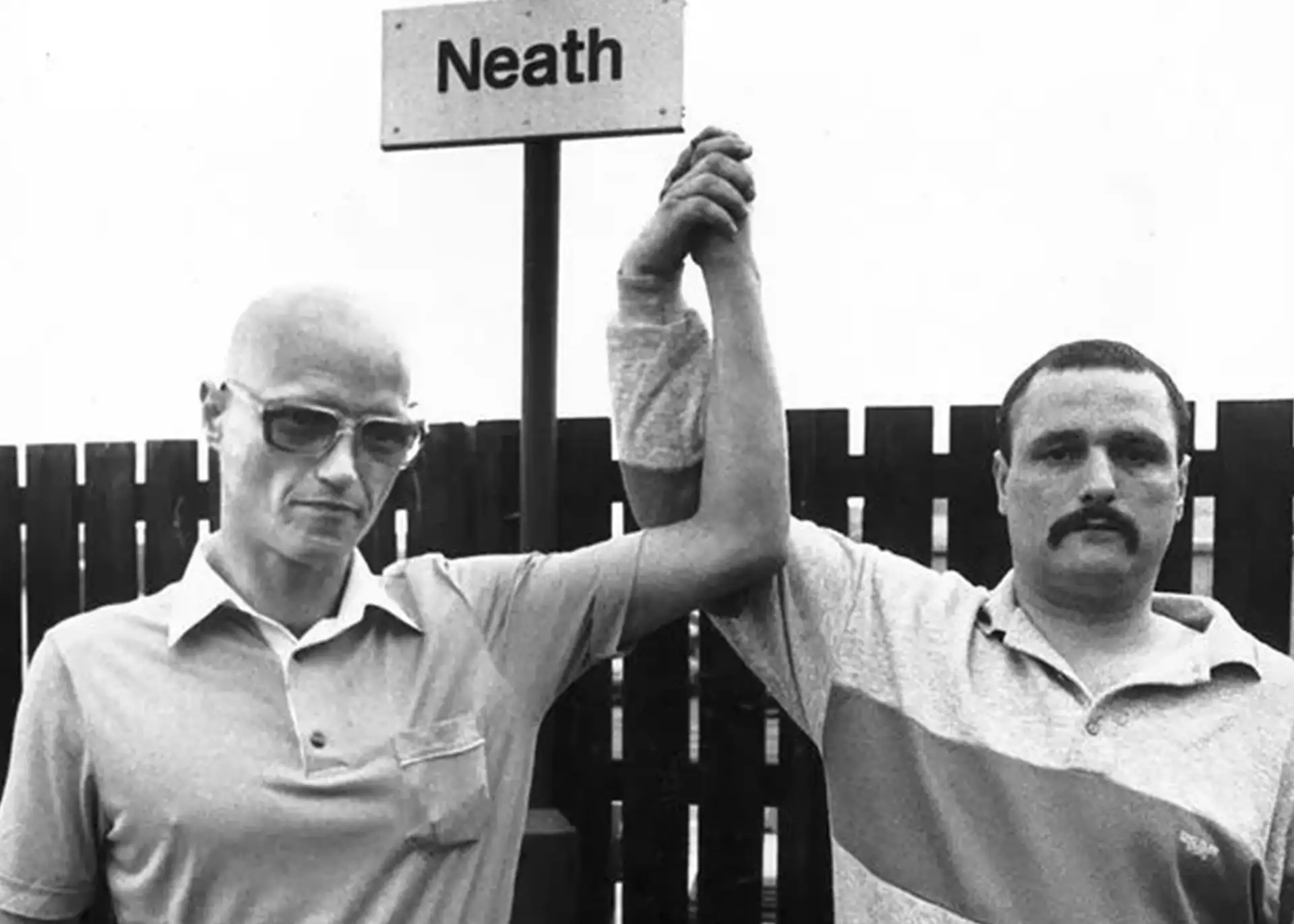
Attention turned to brothers Paul and Wayne Darvell, two vulnerable young men known around Swansea. Both were unemployed and had minor convictions. Witnesses placed them in the general area and some remembered a container. A garage owner said Wayne had asked for something in which to carry petrol, while a petrol-station employee recalled selling fuel to a man he could not identify positively.
Questioned separately, Wayne confessed that the brothers had entered the shop intending to steal from the till. He said Sandra threatened to call the police, that Paul cut the telephone wire and launched the fatal attack, and that they later returned with petrol. According to this account, Paul tried to ignite it before Wayne stopped him. Wayne repeated a similar version to another officer, while Paul consistently denied any involvement.
There were serious reasons to treat the confession cautiously. Wayne had a documented history of inventing stories for attention and of approaching police with information that proved untrue. Parts of his account of Sandra’s murder were demonstrably false: he claimed to have taken objects that were not hers and said he could locate a murder weapon, but could not. He withdrew the confession before trial and said he had made it up.
No forensic evidence placed either brother inside the shop. No bloodstained clothing was recovered, despite the savagery of the attack, and nobody reported seeing the men change clothes. Their presence nearby was not unusual because they were regularly seen in the city centre. Even so, the prosecution relied on Wayne’s retracted confession and the witness sightings. In June 1986, both brothers were convicted by a majority verdict and sentenced to life imprisonment.
“He grabbed her by the neck from behind. He punched her and pulled her away from the phone. He threw her on the floor and kicked her. In the face, head, stomach, everywhere.”
Wayne Darvell, during a police interview
Seven years lost to a flawed investigation
Doubts did not disappear with the verdict. The brothers lost their first appeal in 1987, but the BBC programme Rough Justice revisited the case in January 1989. It drew attention to the absence of physical evidence, Wayne’s unreliable statements and a bloody palm print from the shop that had never been matched to either man. The programme, together with work by the legal reform organisation Justice, helped persuade the Home Office to order a review.
Devon and Cornwall Police reviewed the original investigation. Of more than a thousand officers’ notebooks, roughly a hundred contained discrepancies. Entries presented as contemporaneous appeared rewritten or out of sequence, and impressions showed some notes had been copied after later entries. One June interview appeared in a notebook not issued until December. Officers who claimed to see the Darvells near the shop had also been dealing with an incident miles away.
The case returned to the Court of Appeal in 1992. With the integrity of the police records fatally undermined, the convictions were quashed and Paul and Wayne walked free after almost seven years in prison. Three senior officers were later tried for conspiracy to pervert the course of justice over the alleged rewriting and backdating of notes, but all were acquitted. The case nevertheless became part of a wider series of wrongful-conviction scandals that badly damaged confidence in South Wales Police.
The brothers received compensation, but it could not restore the years they had lost or remove the label attached to them. Paul died in 2005. Wayne largely disappeared from public view after a later conviction for an unrelated indecent assault.
The search for the person who killed Sandra
Once the Darvells were cleared, the investigation had to begin again. South Wales Police included Sandra’s murder in its cold-case programme. In 2002, former Merseyside CID chief Albert Kirby reviewed it independently. Visiting the shop as an ordinary customer, he was struck by its footfall. The killer risked interruption, and Kirby believed embarrassed customers who had stayed silent might hold important information.
The review considered more than 200 men who had belonged to the shop’s video club in 1985 and explored whether the murderer had acted alone. Police also examined a deceased Swansea man with a history of serious violence against women, considering whether DNA from his relatives might help to compare him with evidence from the scene. No public conclusion was announced about that line of enquiry.
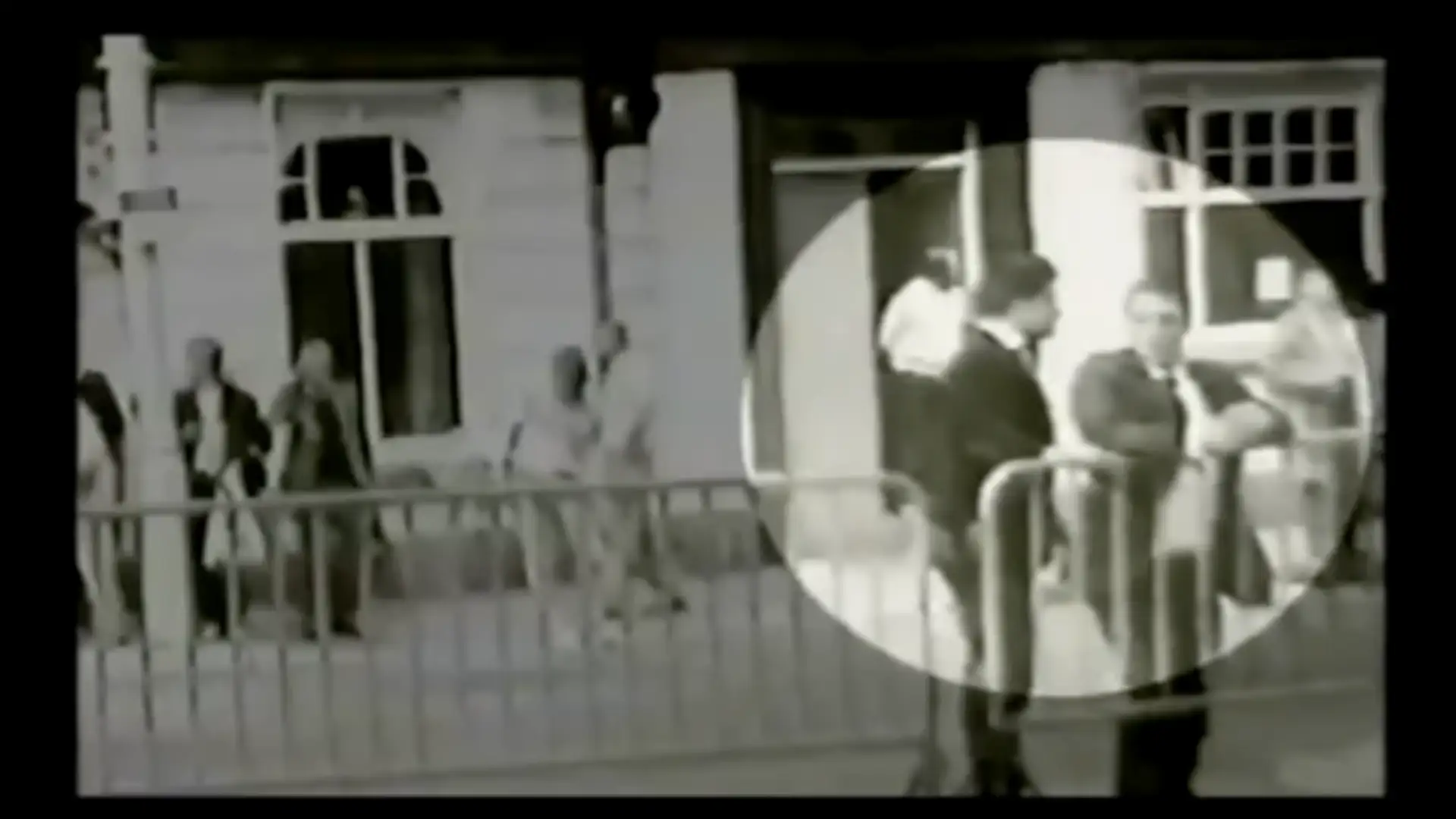
A full reinvestigation began in 2004. Detectives appealed for three men to identify themselves: a younger man seen talking to Sandra in the doorway; an older man seen leaving and locking the shop; and a short, portly man in a trilby-style hat who carried a small brown package. On the twentieth anniversary, wooden panelling fitted after the murder was removed and nine sets of fingerprints were uncovered. A 2005 Crimewatch appeal produced more than 100 calls, and officers travelled across Britain and to Northern Ireland to eliminate people from their enquiries. By 2009, however, the active reinvestigation had exhausted its lines of enquiry.
“We hope that the outcome of the forensic review will give us the opportunity to bring justice for Sandra’s family.”
Detective Chief Inspector Claire Lamerton, South Wales Police
A new forensic review
Sandra’s murder remains unresolved, but the evidence has not been forgotten. In September 2025, South Wales Police announced that a number of surviving exhibits had been submitted for modern forensic testing. The force’s review unit said it hoped advances unavailable to earlier investigators might finally create an opportunity to bring justice to Sandra’s family.
The unanswered questions remain stark. A ferocious attack in a city-centre shop should have left its perpetrator marked with blood, yet no convincing sighting followed. The petrol, missing handset, keys and possible weapon all had to be carried away or disposed of. The locked door suggests at least some composure after the killing, while the risk of a customer walking in suggests either confidence, familiarity with the shop or reckless indifference.
The failed prosecution imprisoned two innocent men, diverted years of attention and allowed the killer to remain unidentified. Sandra’s children grew up without their mother while the miscarriage of justice dominated the story. Four decades on, forensic work offers hope—but only new evidence or a witness can reveal what happened behind the shop’s blacked-out windows.