
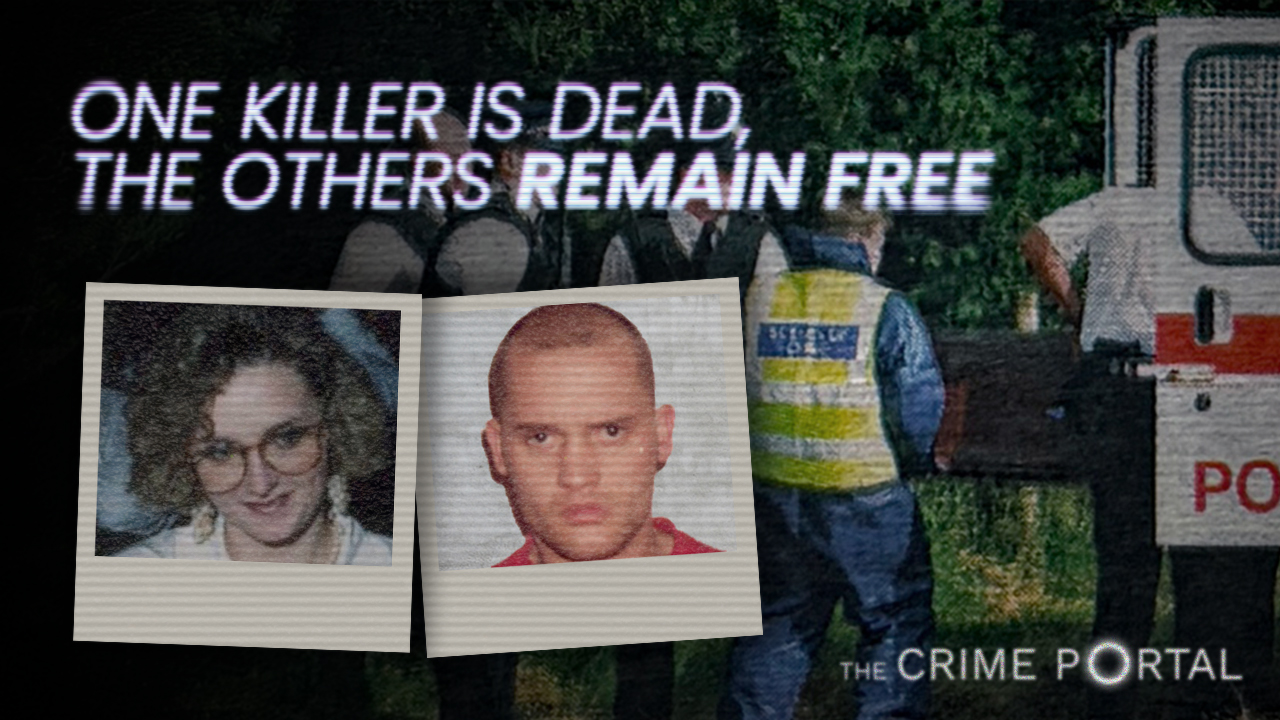
Case Summary
At about 2am on Wednesday 30 October 1996, smoke began pouring from an end-terrace house in Wingrove Terrace, Leadgate. Firefighters forced their way inside and found the homeowner, 27-year-old Julie Smailes, dead in an upstairs bedroom. The fires had been deliberately started, but they had not killed her.
Julie’s wrists had been bound. She had been strangled and stabbed 45 times. A large kitchen knife was used and taken from the house. Several fires appeared intended to destroy evidence, while a staged break-in was meant to mislead investigators.
Julie was bright, sociable and successful. She joined Sun Microsystems at 18, starting on the Greencroft factory’s assembly line and earning promotions into management. She enjoyed a busy social life, was close to her sister Wendy and adored her young nephew. She had lived alone for about five years.
Her final evening was spent with her mother, Joy. They watched Newcastle United win a UEFA Cup match and finished making a set of curtains. Julie photographed her mother standing in front of them, then drove her home shortly before 10.30pm. Back at Wingrove Terrace, Julie had a 17-minute call with Peter Nelson, a man she had recently met through a newspaper personal advertisement. He was the last person known to have spoken to her. The murder and attempts to burn the house took place before the first emergency calls at about 2.15am.

Witnesses, suspicions and silence
Police believed Julie knew whoever she admitted to the house. She could see callers through glass panels beside the kitchen door, and there was no struggle at the entrance. Several people seen nearby were never identified: three men who left a taxi without paying, a man whistling behind the terrace around midnight and a woman hurrying away at about 1.15am. Two weeks earlier, a short, stocky man had been seen beside an unfamiliar car on Julie’s drive.
Sun Microsystems offered £10,000 and closed its factory for Julie’s funeral. Detectives interviewed thousands of people and checked thousands of vehicles. Julie’s sister and her partner were arrested and released, as was Peter Nelson. A 1997 Crimewatch reconstruction produced no decisive lead.
Police also traced replies to a personal advertisement Julie had placed the month before her death. Many respondents had used false details, making the exercise difficult. The inquiry became one of County Durham’s largest, yet public cooperation remained a persistent problem. Investigators repeatedly said they believed people in the area knew more than they were prepared to say.
At the 1997 inquest, the coroner suggested that Julie’s attendance at raves, occasional drug use and relationships had placed her at risk. Her family objected to what they saw as victim-blaming, and the senior investigating officer agreed that the same remarks would probably not have been made about a man. The verdict was unlawful killing; the identity of the killer remained unknown.

“She had clear glass panels in the side of the kitchen door. It means that if she had a late-night visitor then she could see who was outside. I am sure she would not let in anyone unless she recognised them.”
Detective Superintendent Bob Hall, Durham Police
The murder of Rachel Tough
On 11 August 1998, another killing in Consett shifted the direction of Julie’s case. Michele Thompson returned to her home in Warwick Avenue and found her 18-year-old neighbour, Rachel Tough, lying on the kitchen floor. A claw hammer was beside her. Rachel had been struck between five and seven times, fracturing her skull.
Rachel was a responsible and popular college student who worked part time and often babysat local children, including the Thompsons’ children. Earlier that day, Michele’s husband, John Thompson, had been drinking. He telephoned Rachel and asked for help using his washing machine. By the time Michele came home, he had disappeared.
Thompson was a 27-year-old repeat offender with a history of violence and drugs. A week into a national search, his body was found near Hownsgill Viaduct. Notes to his wife referred to his addiction and the harm it caused, but did not explain Rachel’s death. Durham Police nevertheless considered the evidence against him very strong and sought nobody else. No motive was established; there was no evidence of sexual assault, and Rachel was not close to him.
During the inquiry, detectives received information connecting Thompson with Julie. He had been interviewed in the original investigation, though not then treated as a suspect. Accounts varied as to whether he was a family acquaintance or had occasionally supplied Julie with drugs. A theory developed that Rachel might have learned something about the earlier murder, but police have never publicly established that this was why she was killed.

Blood evidence and a suspected robbery
Improved forensic testing eventually provided the firmest link. Microscopic spots of John Thompson’s blood were found on Julie’s pillowcase and patio door. In April 2004, police publicly named him as one of two people they believed had murdered her. The finding placed Thompson inside the house in circumstances that required explanation, but his death meant that it could never be tested in court.
The announcement prompted new witnesses to come forward. Detectives said information from independent sources placed as many as five men at Julie’s house that night and suggested that people present had later spoken about what happened. Police believed two people carried out the murder and others helped to cover it up. They had names, but not evidence strong enough to prosecute.
One man, Darren Willis, had been charged with Julie’s murder in 2001. The charge was dropped in January 2002 because the evidence was insufficient. Police said witnesses were refusing to give evidence in court. No later arrest resulted from the 2004 developments, even after officers searched the garden of a former home near Consett and recovered items for forensic examination.
A possible motive emerged publicly years later. Julie had reportedly received between £19,000 and £20,000 after selling shares in Sun Microsystems shortly before her death. A retired senior detective said news of the payment had spread locally and that Thompson knew Julie. In this account, a plan to steal the money escalated into murder. It remains a police theory rather than a fact proved at trial.

“There is very strong evidence that John Thompson was responsible for the death of Rachel Tough.”
Superintendent John Blake, Durham Police
What is known—and what remains beyond proof
Julie’s case became entangled with other deaths around Consett. Thompson’s friend Emma Kennedy died beneath Hownsgill Viaduct in 1999; a coroner recorded an open verdict, while relatives argued that threats linked her death to what she knew about Julie’s murder. Rumours also connected Thompson to the unsolved murder of delivery driver Paul Logan, but police never established his responsibility. These claims are part of the case’s history, not proven findings.
The strongest official position is narrower. Police believe Thompson killed Rachel alone. They also believe his blood places him in Julie’s home and that he was one of at least two people responsible for her murder. They suspect several others were present or helped conceal what happened. What they have never obtained is admissible evidence sufficient to convict the surviving participants.
This leaves two families in different but equally painful positions. Rachel’s suspected killer died before he could be questioned or brought to court, leaving the motive unexplained. Julie’s alleged co-killers and accomplices have never faced trial at all. The obstacle repeatedly identified by detectives has been silence: people with direct or second-hand knowledge who were frightened or unwilling to testify. Forensic science supplied a name, but without reliable witnesses and supporting evidence it could not deliver a complete account—or justice for either young woman.
