
Case Summary
14-year-old Lisa Jane Hession left her home in Leigh shortly before 7pm on Saturday 8 December 1984. The only child of Christine Hession, Lisa was a popular Bedford High School pupil and a gifted athlete who competed in netball, cross-country, gymnastics and for Leigh Harriers. She loved music, particularly David Bowie, and had spent the previous afternoon having gold and blonde highlights put in her hair for the weekend’s events.
That night she went to a small gathering with her boyfriend, Craig Newell, and four other friends. Her usual 9pm curfew had been relaxed until 10.30. Friends said she set off for home at around that time, beginning a journey of roughly two miles through the town centre and towards Bonnywell Road.
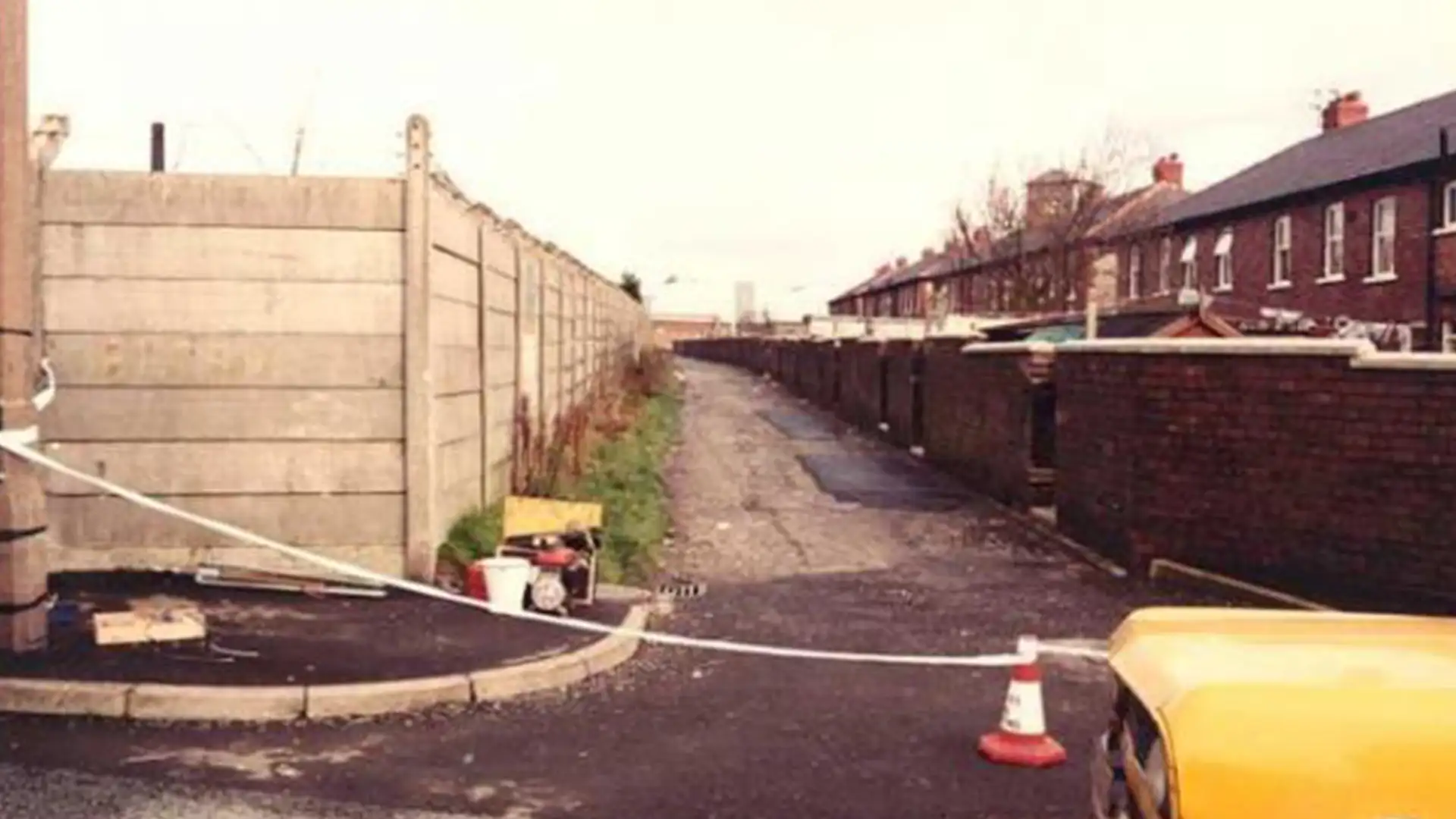
When Lisa did not arrive, Christine went out to look for her. She walked the surrounding streets, returned home in case they had missed one another and then called the police. In the darkness, she passed the entrance to the alley behind Rugby Road three times without seeing what lay inside.
Shortly before midnight, Ronald Parry and his 13-year-old son found Lisa in a recessed garage entrance within the alley. A relative tried to revive her, but she was already dead. Her home was only a few hundred metres away. Christine later remembered waiting to see her daughter’s white boots coming down the road; they never appeared.

A violent, sexually motivated attack
Lisa had been roughly handled and had fought hard. There were injuries to her face and limbs, scratches around her neck and signs that she had tried to pull away the clothing tightened around her throat. Her T-shirt had been used to strangle her. Her skirt had been pushed up, although she had not been raped, and the senior investigating officer believed the attack was sexually motivated.
The position of Lisa’s belongings helped police trace how the assault unfolded. Her umbrella and earrings were found at separate points in the alley, away from her body, suggesting that the struggle began closer to the road and moved deeper into the darkness. Detectives considered whether Lisa had entered the alley with someone she knew, because she was strong, cautious and unlikely to choose such a secluded route alone. That remains an informed opinion rather than an established fact; she may instead have been forced inside.
The young people at the gathering were questioned and eliminated. One witness had seen Lisa walking in Buck Street on the way home. A man reported to have watched and followed her during the previous week was traced and ruled out. Another man was arrested within days of the murder and released without charge. Despite a large initial response, no witness could identify the person who intercepted Lisa during the final part of her journey.
“It’s always there at the back of your mind, knowing that nobody has ever paid for what’s happened to your child.”
Christine Hession, Lisa’s mother
A pattern of attacks in Leigh
Lisa’s murder occurred amid a troubling series of assaults on women and girls within about a mile of the alley. In August 1984, a 20-year-old woman walking home on Rugby Road was knocked down by a clean-shaven, “baby-faced” young man in a tracksuit and woollen hat. She managed to calm him by talking until he apologised and left. The following month, a man grabbed a 17-year-old from behind, threatened to break her neck and struck her; she escaped by kneeing him.
On the evening before Lisa was killed, a 16-year-old girl in Mather Lane was confronted by a man who exposed himself, grabbed her and threatened to kill her if she made a sound. She also escaped. Five months after the murder, another petite woman was attacked near Buck Street. She was thrown against a wall as the assailant tried to remove her clothing, but the headlights of an approaching car frightened him away.
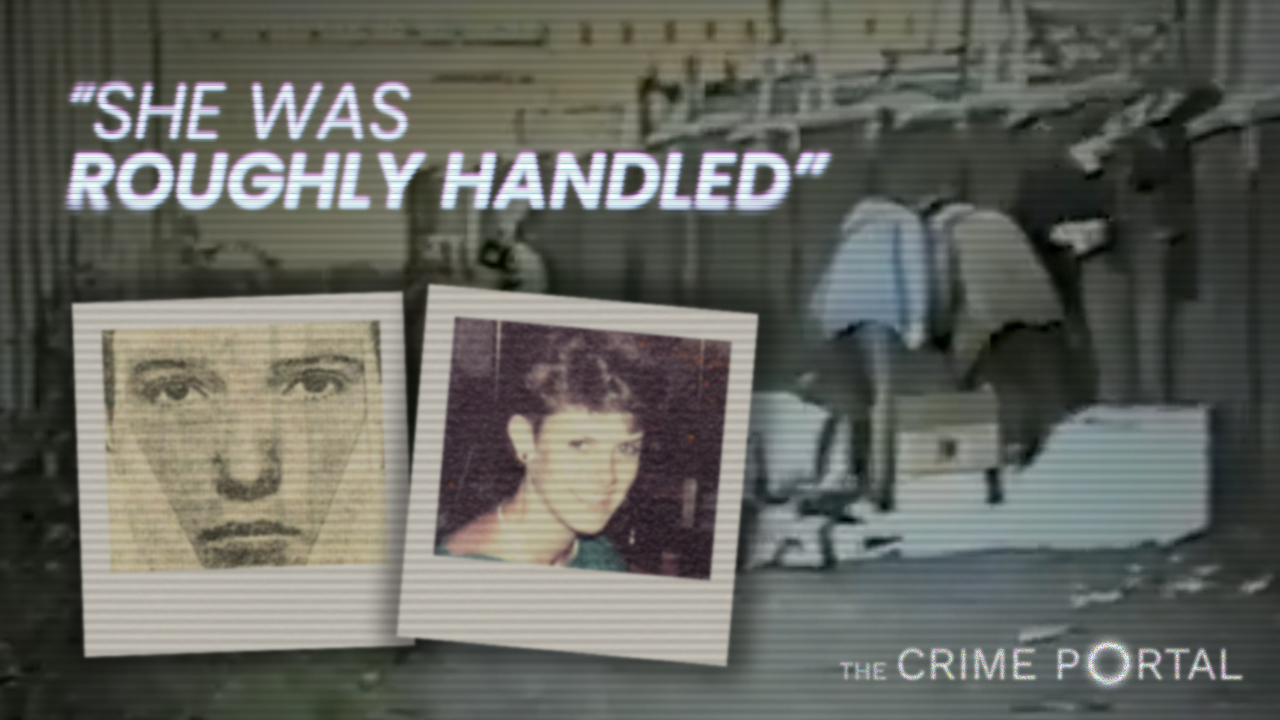
Descriptions varied, though the attackers were said to have local accents and several victims described a youthful or baby-faced man. Police produced a composite image in early 1985 and said there was a distinct possibility that the first three assaults were the work of one person. They have never claimed a forensic link between any of those attacks and Lisa’s murder. The circumstances nevertheless support a disturbing possibility: a local sexual predator may have become increasingly violent, culminating in Lisa’s death.

“Sadly, the case still remains undetected but will always be open until Lisa’s killer is brought to justice.”
Martin Bottomley, head of Greater Manchester Police’s Cold Case Unit
A vast inquiry without a name
Sixty officers worked on the investigation. Police reconstructed Lisa’s route a week after the murder, with a young detective wearing clothing that matched her white skirt and boots, red cardigan and black jacket. Officers visited more than 1,300 homes, interviewed thousands of people, received over a thousand calls and sent 183 items for forensic examination.
The case was also among the early investigations to use MIRIAM, a computerised system developed after the paper-heavy Yorkshire Ripper inquiry exposed the danger of failing to cross-reference information. Nearly 5,000 pieces of information from Lisa’s case were entered. The technology improved organisation but could not supply the missing witness or identify the offender.
Lisa’s funeral was held at Overdale Crematorium in February 1985. Detectives attended among the mourners in case the killer also appeared. At the inquest two months later, details of Lisa’s private life were disclosed in a way that her mother felt damaged her memory without helping the investigation. The coroner recorded unlawful killing. Police could not determine whether the assailant had intended murder from the outset or used fatal force during an attempted sexual assault.
Over the following years, at least one imprisoned violent offender was questioned and possible links with other known predators were considered, but nothing led to a charge. The public investigation largely disappeared from view for almost two decades.

The DNA that could still solve the case
Greater Manchester Police reopened the case through its cold-case review team in 2004. A Crimewatch appeal the following year produced calls, including concerns from women about the behaviour of partners around the time of the murder, but no arrest. The most important later development came when improved testing recovered a partial DNA profile from evidence associated with the crime.
The profile did not match anyone on the national database. In 2011, police carried out a mass swabbing exercise among men in Leigh and neighbouring Wigan, again without finding a match. The DNA can still eliminate suspects and may eventually identify the killer through a relative as forensic genealogy and database methods develop. Greater Manchester Police has repeatedly stressed that the case remains under review, and a £50,000 reward has been offered for information leading to a conviction.
Christine died from cancer in 2016 without learning who killed her daughter. Lisa’s friends and local campaigners have continued to preserve her memory, including through the Justice for Lisa Hession group. More than a hundred people walked her route by candlelight on the fortieth anniversary in December 2024, leaving flowers at her former home and the alley. A fresh Crimewatch Live appeal followed in March 2025.
There is broad agreement among those closest to the case that the killer probably knew Leigh and the estate well enough to use a secluded passage without attracting attention. Whether he also knew Lisa personally, or was responsible for the surrounding assaults, remains unproved. What distinguishes this cold case from many others is that police possess biological evidence capable of answering the central question. They have the killer’s profile. What they still need is the name to place beside it.
