
Case Summary
When 16-year-old Pamela Hastie failed to return from school on 4 November 1981, her parents knew immediately that something was wrong. Pamela was a dependable pupil at St Cuthbert’s High School in Johnstone and normally told her family where she was going. The following morning, Police Sergeant John Ross searched Rannoch Woods, which lay between the school and the Hastie home. A black shoe led him off the path to a school bag and scattered books. Pamela’s partly clothed body lay beneath leaves in the undergrowth, only a few hundred metres from her house.
Pamela was the second of James and Christine Hastie’s four children. She belonged to the school debating society, enjoyed music and sport, collected for charity and worked part time in a café after her father lost his job. Rannoch Woods had been a favourite place, where she studied plants and trees before drawing them at home.
A post-mortem examination found that Pamela had been sexually assaulted and had defensive injuries. A length of twine had been pulled so tightly around her neck that it had to be cut away; the pathologists considered it an exceptionally forceful strangulation. She was believed to have been attacked between 3pm and 4pm while walking home. Her olive-green comb and the clear-framed glasses she had borrowed from her mother were never recovered.
Witnesses reported several unidentified men in or near the woods. One, described as red-faced and breathless in a blue parka and green jumper, ran in front of a van shortly after the likely time of the murder. Others included a red-haired man and older men in distinctive coats. Later that month, three more women or girls were attacked around Johnstone. Two assaults were thought likely to be connected, and police said they could not exclude a link with Pamela, but none of the offenders was identified.
Confessions that did not fit the crime
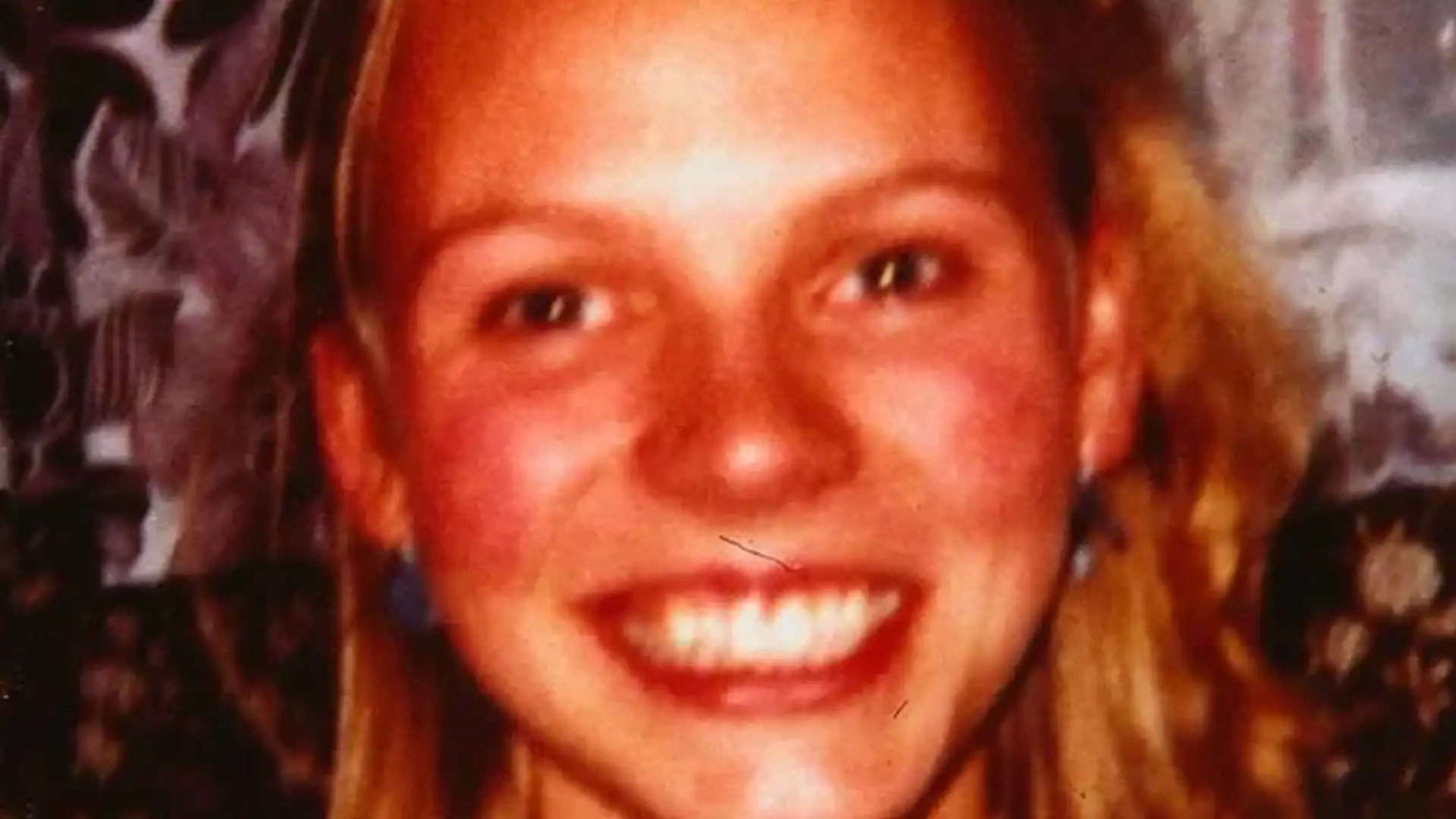
The first major suspect was 19-year-old Raymond Gilmour, who lived close to the woods. He admitted exposing himself there on the day before Pamela was killed and had a long history of similar offences. Police found adult magazines in his room resembling material recovered in the woods, as well as garage receipts bearing sexual writings in his hand. But the receipts were reportedly found on the opposite side of the woods from Pamela, no print tied him to the magazines, two witnesses failed to identify him as the flasher they had seen, and examinations found no scratches or rope burns on his body.
While in custody for indecent exposure, Gilmour appeared to confess. The statement described attacking Pamela while masturbating, striking her with a branch and strangling her with a tie, belt or bag strap. It was unsigned and contradicted central facts. Pamela had been strangled with twine; the severe sexual assault did not match his account; the medical findings did not support repeated heavy blows with a branch; and he misdescribed her clothes and the precise location of her body. Later that day he withdrew the statement, saying he had invented it to please the officers. The original senior detectives concluded that it was false and did not charge him.
A new investigation team returned to Gilmour in February 1982. While he was being transported to court for sentence on the exposure offence, officers said he raised his earlier admission. At Paisley police station he made a second confession containing many of the same inaccuracies. Gilmour again retracted it as soon as he saw a solicitor, alleging that the first statement had been beaten out of him and the second obtained through threats.
At trial, there was no physical evidence connecting Gilmour to Pamela. The case depended on whether the jury accepted that his confessions were voluntary and contained meaningful knowledge. After a six-day trial, a reduced jury convicted him by the narrow majority of eight to six. He received a life sentence for rape and murder.
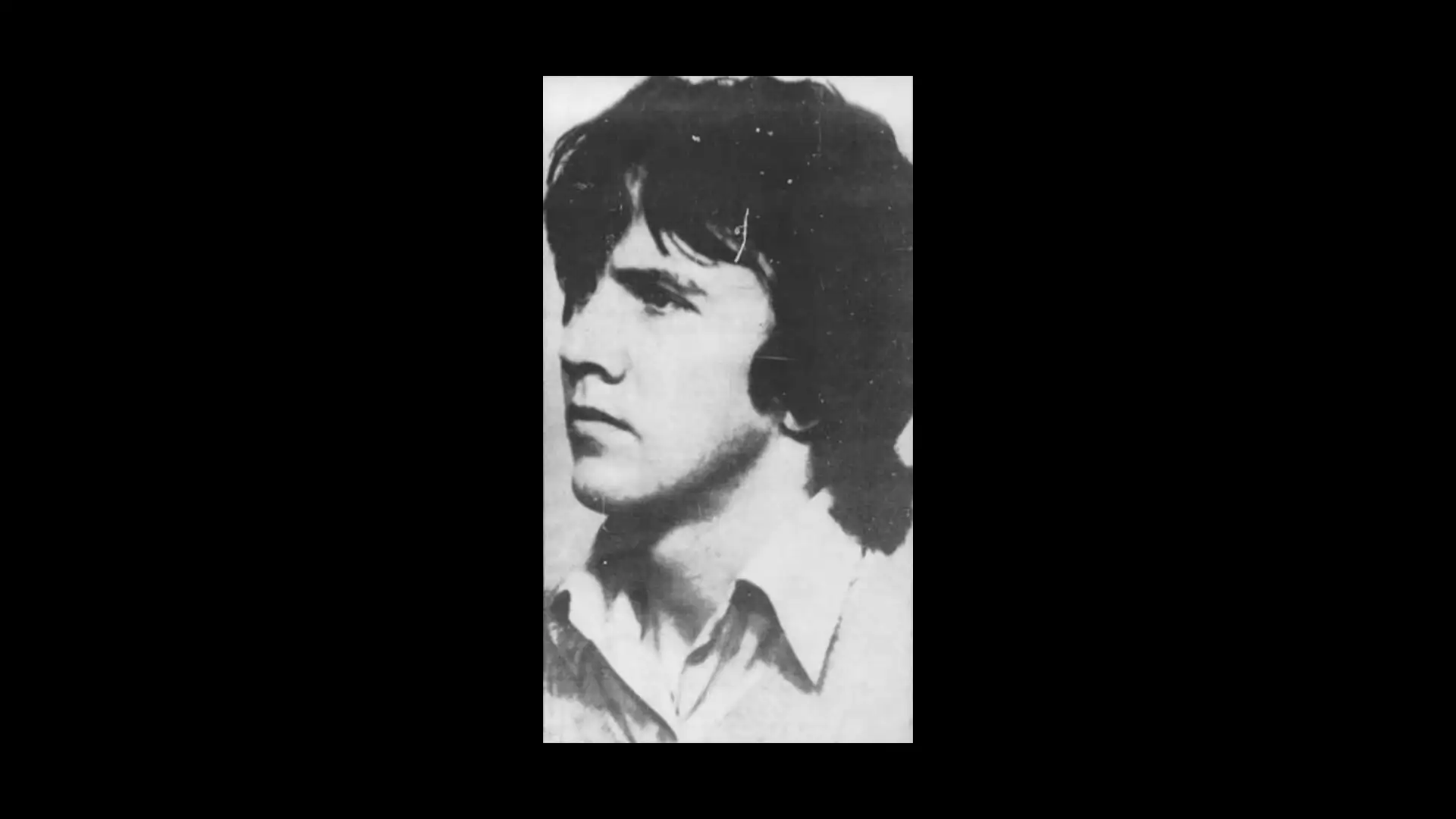
“Pamela was a model pupil. She was bright, well mannered and keen on music and sport.”
John McLoone, Pamela’s school rector
A second child murdered in Johnstone
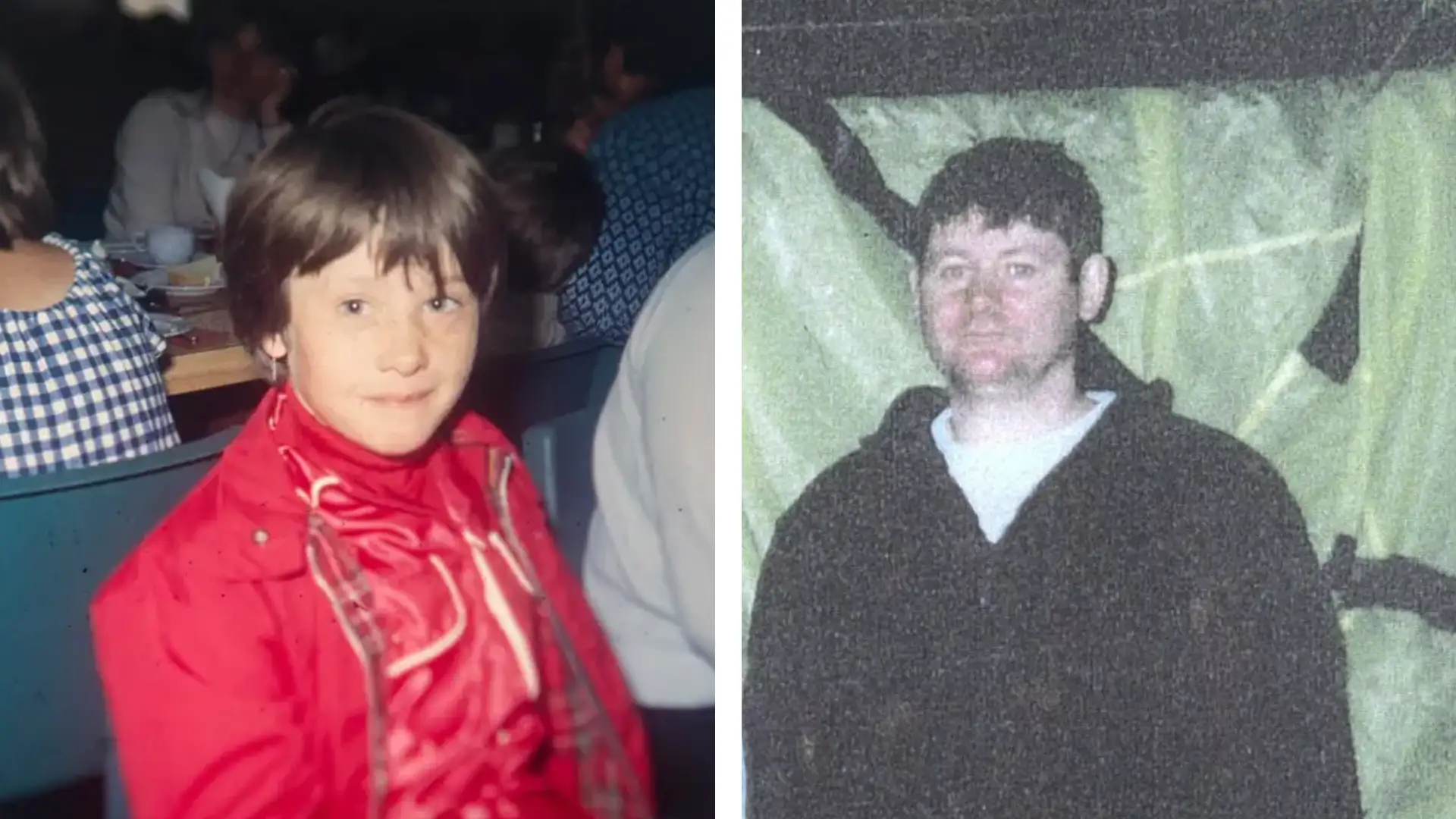
Less than two years later, another family began searching the same streets. On the evening of 14 February 1983, 11-year-old Tracey Waters was missing from the home she shared with her mother Margaret and younger brother. Her partly clothed body was discovered the next morning beneath a hedge in a garden on Shanks Crescent, about a mile from both her home and Rannoch Woods. She had been beaten and strangled.
The similarities with Pamela’s murder were immediate and unsettling: two schoolgirls killed within a small area, both partly undressed and strangled. Their funerals ended at Abbey Cemetery, where only one grave separated them. Yet no forensic evidence has publicly established that the same person killed both girls.
Witnesses placed Tracey near the Burnside Tavern, apparently looking for her mother. A dog walker reported a man running through bushes close to the scene, describing him as 20 to 25 years old, about 5ft 10in and wearing a parka. Eighteen days after the body was found, police arrested Tracey’s 26-year-old uncle, Adam McDermott—the relative who had volunteered to identify her body.
McDermott was charged with attacking and strangling his niece. He spent 77 days in Barlinnie Prison before being released because the evidence was insufficient for trial. The prosecution initially retained the option to indict him within Scotland’s time limit, but the period expired in March 1984 and the charge fell. McDermott said witnesses supported his account of his movements and maintained his innocence. Nobody else has ever been arrested for Tracey’s murder.
Twenty-five years to overturn a conviction
Gilmour challenged his conviction from the beginning. His first appeal failed in 1982, but new witnesses and expert reviews gradually exposed deeper problems. A 1994 edition of Channel 4’s Trial and Error showed that details supposedly known only to the killer had appeared in contemporary news coverage. A forensic psychologist found Gilmour eager to please and questioned whether the crime-scene map attributed to him was accurate—or even entirely drawn by one hand.
Forensic scientist Angela Gallop highlighted the absence of any transfer between Pamela and the paint-speckled clothing Gilmour wore while working on his car that day. There was no blood, tissue or fibre exchange despite the close, violent assault described. Pathologist Iain West also rejected the claim that Pamela had received the heavy head blows in the confession and drew attention to cuts on her hands consistent with defending herself against a blade. Gilmour had never mentioned a knife.
Witnesses described a different man in the woods: tall, with shoulder-length red hair and, in one earlier incident, carrying a knife. The proprietor of a nearby guest house recalled a red-haired lorry driver behaving unusually on the day of the murder and shaving his head the following week. He was later convicted of sexual offences against children. Despite campaigns by lawyers, a local MP and the retired original detective—who said the confessions had never convinced him—successive requests for a retrial were refused throughout the 1990s.
The Scottish Criminal Cases Review Commission eventually referred the case back to court. It concluded that without the confessions there had not been evidence capable of supporting the conviction. Gilmour was released pending appeal in 2002. In August 2007, after approximately two decades in custody, his murder conviction was quashed.
Gilmour’s continuing indecent-exposure offences, including incidents committed while on release, understandably made him an unsympathetic figure. They did not, however, supply evidence that he killed Pamela. The appeal concerned the safety of a murder conviction built on disputed confessions rather than a judgement on his character.

“I have had some compensation but I don’t want to say how much. It doesn’t matter if it was 20p or £20million, it doesn’t replace 20 years.”
Rauymond Gilmour, released for the murder of Pamela Hastie
Missing evidence, missing suspect and a fresh review
After McDermott was cleared by the passage of the statutory time limit, he remained a source of dispute within Tracey’s family. Her mother later said she believed her brother had killed her daughter. Others, including a former detective who revisited the case, argued that the running man’s height, reported size-ten footprint and likely scratches did not fit McDermott, who wore size-seven shoes and had no such injuries.
In October 2001, McDermott left his home in Kilbarchan saying he was going to the post office and vanished. Police later obtained his DNA and checked medical, employment and financial records without finding him. They have expressed the view that he may have died by suicide; relatives believe he could still be alive and protected by someone. His disappearance has never been resolved, and vital evidence from Tracey’s murder scene is reported to have been lost, limiting the prospect of a modern DNA breakthrough.
Several notorious Scottish offenders have been suggested in the media as possible killers, including Peter Tobin, Angus Sinclair and child murderer Robert Black. The most developed claim concerns Black. The van driver who encountered the breathless man leaving Rannoch Woods later told a private investigator that he recognised him on television as Black. Other inquiries placed Black at a Johnstone guest house used by lorry drivers. Police reportedly ruled him out because records placed him elsewhere, and the identification has never been proven.
In 2023, Scotland’s Lord Advocate ordered a fresh examination of Pamela’s murder. Investigators found that potentially useful samples from her body had not been retained and considered exhumation, but her surviving relatives did not consent. Other surviving material—clothing, debris, a purple fibre, hairs and a photographed footwear mark—has been identified as potentially valuable if it remains available for modern analysis.
Both cases therefore remain open in substance, even though Pamela’s once appeared solved. Tracey’s sole accused disappeared after the charge against him expired; Pamela’s convicted killer was cleared after 25 years. The loss or non-collection of forensic evidence has narrowed the route to an answer, but witness accounts, surviving exhibits and the possibility of a connection between the murders still deserve careful review. Until the real evidence points to a person, Johnstone is left with two murdered girls and no conviction that can safely stand.