
Case Summary
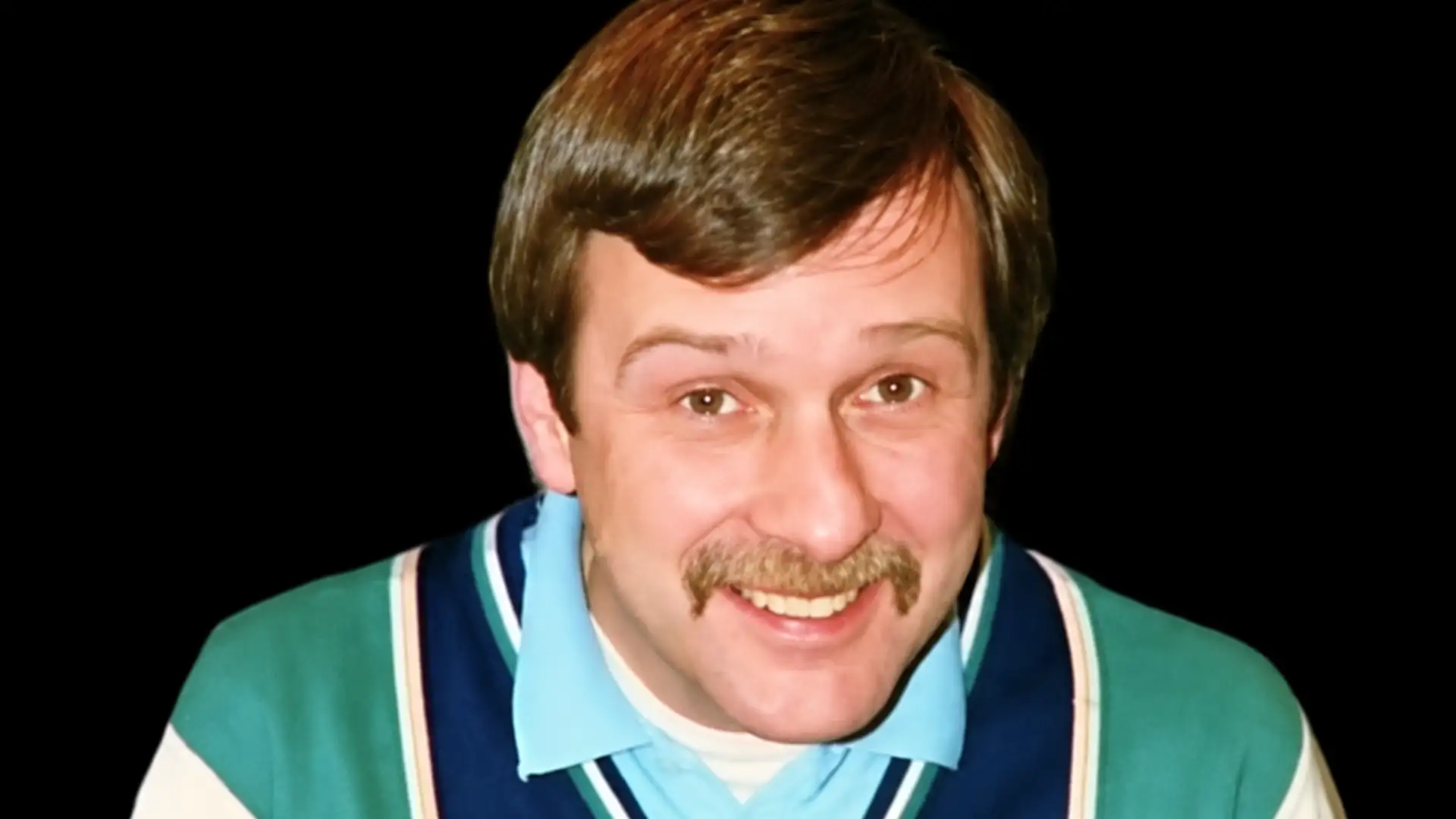
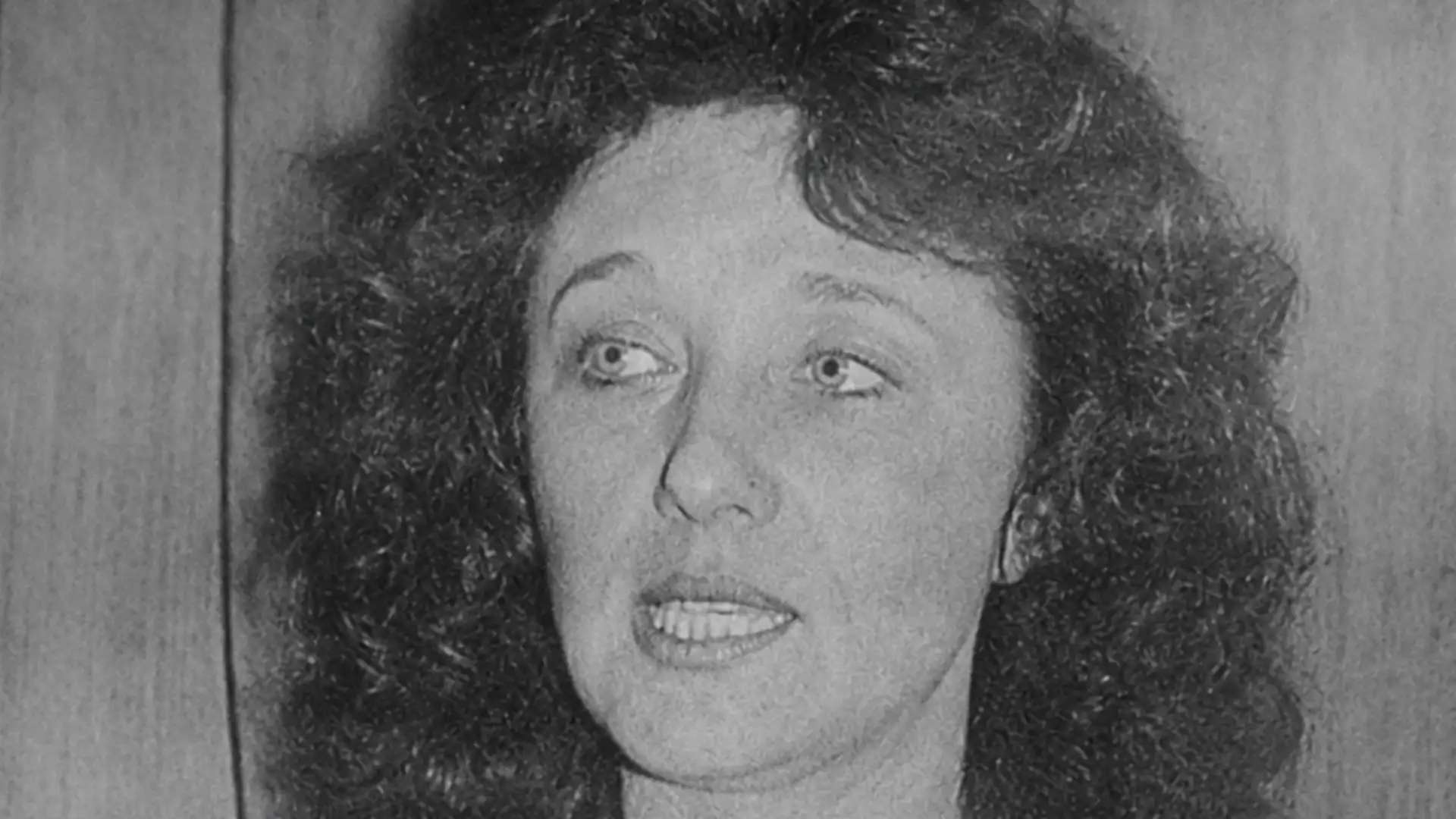
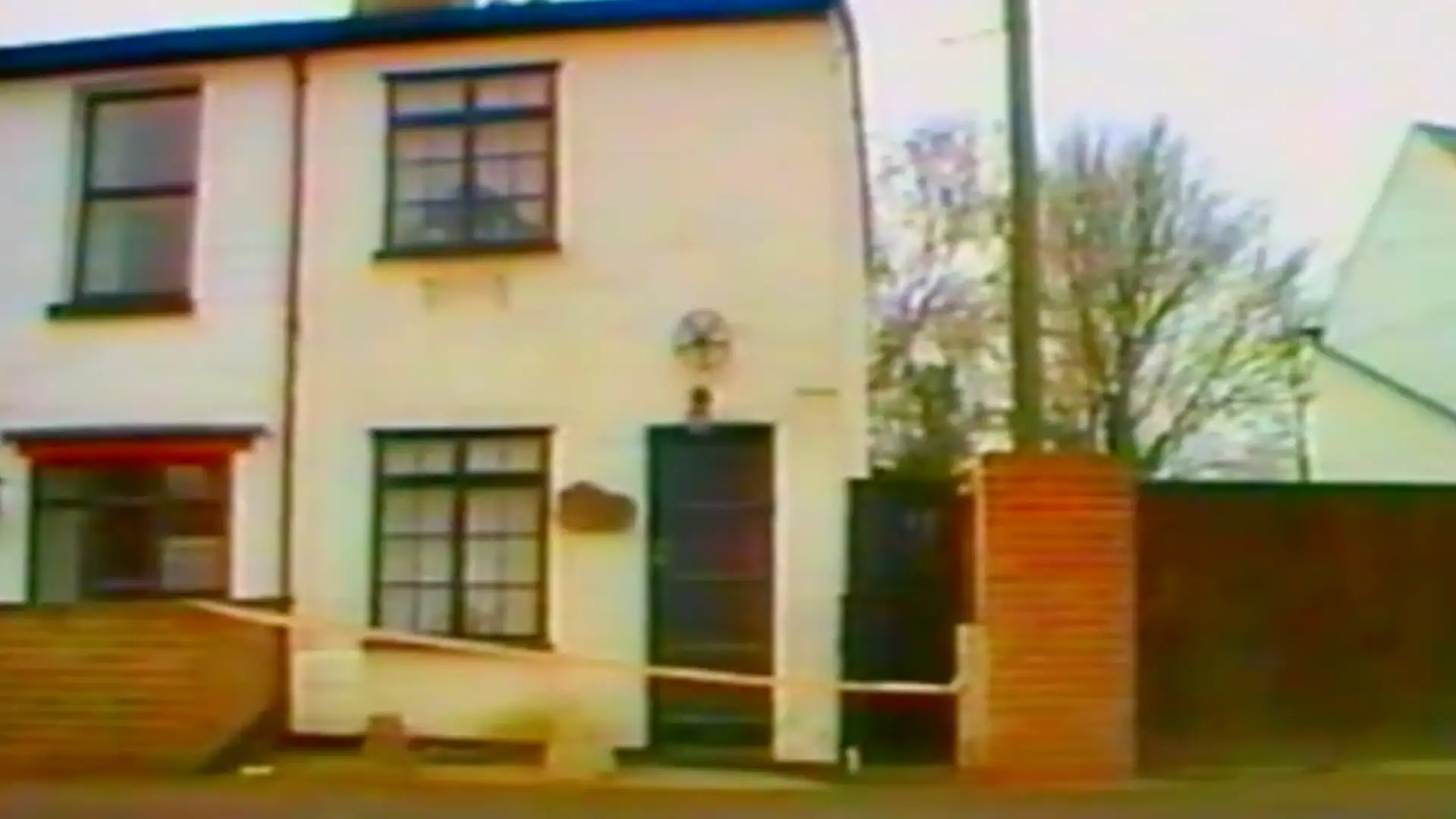
Alan Leppard and Brenda Long met through their work at P&B Metal Components in Whitstable. Alan, 43, had spent 13 years with the company as a quantity surveyor, while Brenda worked there as an accounts manager. Towards the end of 1990, they moved into a house on Monkton Street in the small east Kent village of Monkton, hoping to begin a new life together.
They had been in the village only a few months by Easter 1991. Neighbours described them as quiet and pleasant, although few had come to know them well. Alan’s private life later attracted unhelpful headlines because he had been married several times and his relationship with Brenda had begun before his latest marriage was formally over. Detectives examined that history, but it did not provide them with a motive. They found no evidence that either Alan or Brenda was involved in crime, and no known enemy who could explain what followed.
On Easter Monday, 1 April, the couple spent much of the day gardening and considered visiting the White Stag, a pub only a few doors away. They eventually chose a quiet evening at home. By about 10pm they were upstairs, with Brenda watching television and Alan asleep beside her, when somebody knocked at the front door.
The white car and the second knock
Brenda looked through the curtains and saw two unfamiliar men beside a large white car. By the time she went downstairs, both the men and the vehicle had gone. Between 30 and 40 minutes later, there was another knock. Alan was now awake and went down to investigate while Brenda again saw the same men and car outside.
Rather than open the front door, Alan appears to have left by the rear of the house and walked around the side. Moments later Brenda heard a loud report and a scream. Alan staggered back towards her, bleeding heavily from a close-range shotgun wound. A neighbour heard Brenda’s cries, saw the white car speeding away and called the emergency services. Alan was taken into the lounge, but he was already dead when help arrived. A post-mortem examination indicated that he had been shot with a 12-bore shotgun.
The car became the inquiry’s most distinctive lead. Witnesses variously described a large, old-fashioned American vehicle, probably left-hand drive, with conspicuous rear fins. Several people had noticed it moving slowly through Monkton during the evening, including customers arriving at the White Stag’s busy karaoke night. Another resident said a similar car containing two men had been parked near the couple’s home several days earlier. Despite the number of sightings and the rarity of such a vehicle on British roads, police were never able to trace it conclusively.
A major appeal without a motive
Brenda looked through the curtains and saw two unfamiliar men beside a large white car. By the time she went downstairs, both the men and the vehicle had gone. Between 30 and 40 minutes later, there was another knock. Alan was now awake and went down to investigate while Brenda again saw the same men and car outside.
Rather than open the front door, Alan appears to have left by the rear of the house and walked around the side. Moments later Brenda heard a loud report and a scream. Alan staggered back towards her, bleeding heavily from a close-range shotgun wound. A neighbour heard Brenda’s cries, saw the white car speeding away and called the emergency services. Alan was taken into the lounge, but he was already dead when help arrived. A post-mortem examination indicated that he had been shot with a 12-bore shotgun.
The car became the inquiry’s most distinctive lead. Witnesses variously described a large, old-fashioned American vehicle, probably left-hand drive, with conspicuous rear fins. Several people had noticed it moving slowly through Monkton during the evening, including customers arriving at the White Stag’s busy karaoke night. Another resident said a similar car containing two men had been parked near the couple’s home several days earlier. Despite the number of sightings and the rarity of such a vehicle on British roads, police were never able to trace it conclusively.
Brenda's death in Whitstable
In the months after Alan’s murder, Brenda remained the inquiry’s principal witness. She initially returned to the Monkton house, but later moved to a ground-floor flat in Cromwell Road, Whitstable. On the evening of 28 December 1991, less than nine months after the shooting, she was found partly submerged in her bath. There was no sign of forced entry, violence or theft, and the circumstances at first appeared to point towards suicide.
That first impression changed as the medical investigation progressed. Toxicology tests found ether in Brenda’s body, while a further examination identified small bruises around her face. Detectives concluded that an ether-soaked pad had been held over her mouth and nose until she lost consciousness, after which she was placed in the bath and drowned. No ether container was found in the flat. At the resumed inquest in April 1992, the coroner returned a verdict of unlawful killing.
A former partner, who had last seen Brenda on Boxing Day and discovered her body two days later, was questioned during the inquiry. He denied any involvement and was never charged. Whatever suspicions surrounded individual witnesses, police did not obtain evidence sufficient to prosecute anyone. By April 1993 investigators had taken nearly 400 statements in connection with Brenda’s death, but publicly acknowledged that they had no active line of inquiry.

“You cannot look at one murder without looking at the other. Brenda Long was a key witness to the Alan Leppard murder.”
Detective Superintendent Nick Biddiss, Kent Constabulary
Two murders and no proven connection
Brenda’s murder inevitably altered the way Alan’s case was viewed. She had been inside the house when his killers arrived and was the only witness to see both men at close range. The timing made a connection difficult to ignore, but it did not prove one. Investigators have never established whether Brenda was killed because of what she knew, whether both deaths arose from the same unknown motive, or whether two separate offenders were responsible.
Kent Police’s cold-case team reviewed both murders in 2011, when advances in forensic science offered opportunities that had not existed 20 years earlier. Officers said there remained a real possibility that the cases were connected, while stressing that the evidence did not allow them to say so definitively. They also repeated that there was nothing to suggest Alan or Brenda had been involved in criminal activity. Later anniversary appeals produced renewed publicity, but no arrest or charge.
Both investigations remain unsolved and are subject to periodic review. The surviving clues are striking but incomplete: an American-style white car seen repeatedly in Monkton, two unidentified men at Alan’s door, a visitor who had asked for him at the pub, and the ether used to overpower Brenda. Each may describe part of what happened, but none has yet supplied the missing link between the victims and whoever targeted them.
Alan and Brenda should not be reduced to the mysteries surrounding their deaths. They were colleagues who became partners and had only recently made a home together when Alan was killed; Brenda then spent months living with the shock of that violence before she too was murdered. Anyone with information, however old or seemingly minor, can contact Kent Police on 101. After more than three decades, a remembered name, conversation or detail about the white car could still help explain why two lives were taken and bring their families the answers they have long been denied.