Case Summary
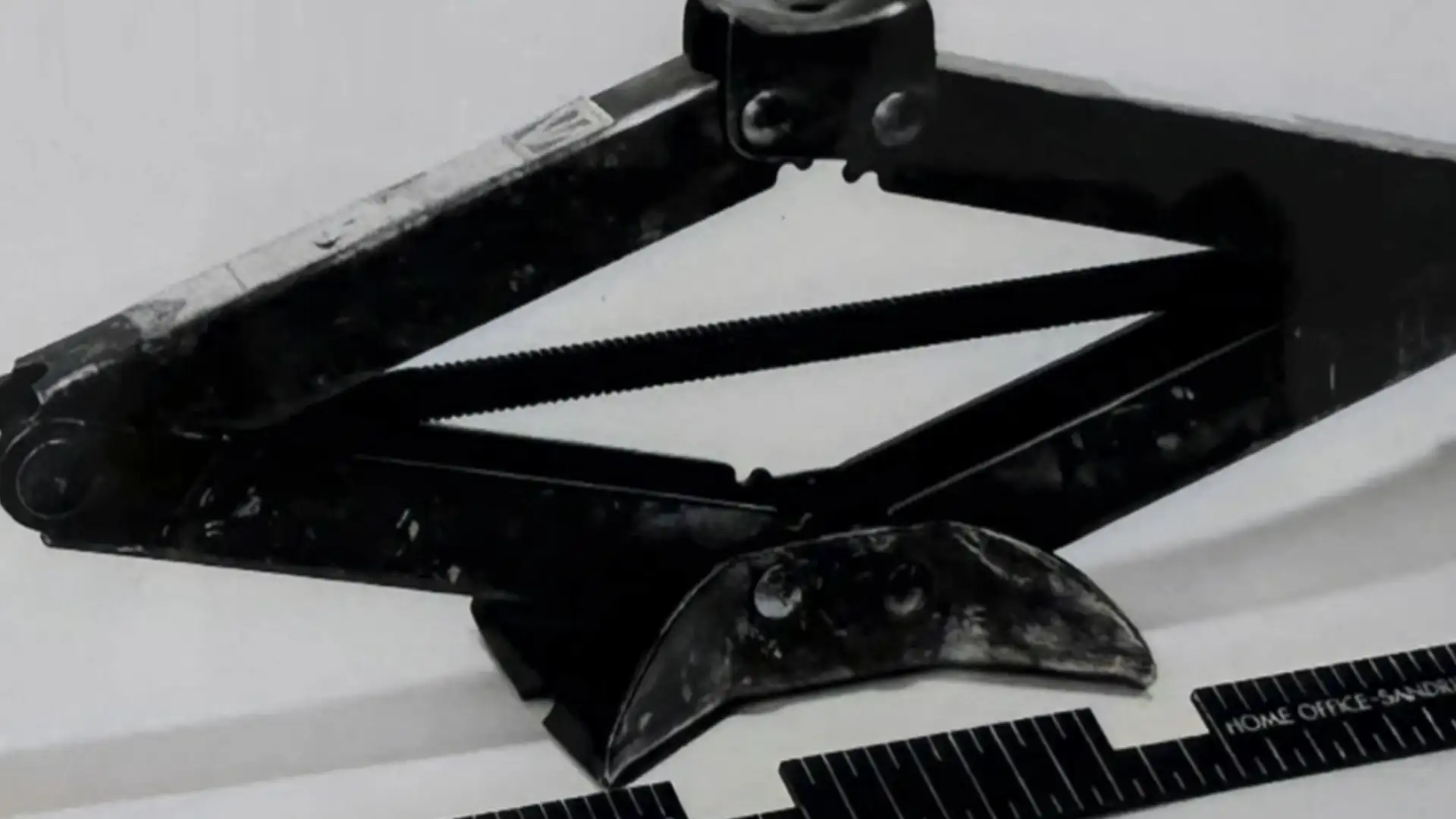
At about 9am on Sunday 11 September 1983, cyclist David Hirst stopped at a northbound lay-by on the A1 between Brampton and Buckden. In a shallow ditch he found the body of a woman who had been severely beaten around the head. Police recovered objects from nearby fields, including a car jack considered a possible murder weapon.
The victim had a fractured skull and fatal injuries to the brain, with defensive wounds on one arm. There was no evidence of sexual assault and robbery appeared unlikely: she still wore a gold wedding ring and an expensive Omega watch. Her clothing, distinctive mole, dental work and the repair marks inside the watch were publicised in an effort to identify her.
Three days later, she was named as 36-year-old Janice Carole Weston, a successful solicitor from Holland Park. Janice was internationally respected in company law and was writing about the emerging subject of computer data protection. She worked for Charles Russell & Co at Lincoln’s Inn and had built a reputation for intelligence and professionalism.
Her husband, Antony “Tony” Weston, had been in France on business during the weekend. When Janice failed to appear at work on Monday, a colleague visited the couple’s flat and alerted relatives. By then, her body had already been recovered more than sixty miles away.

Exhibit A: Case image for the Janice Weston investigation. Source: The Crime Portal archive.
An unexplained journey north
On Saturday morning, Janice collected a repaired tyre for the couple’s Alfa Romeo Alfetta from a Kensington garage. She shopped near home and went to her office, where witnesses thought she appeared to be waiting for someone. A telephone call proved she remained there until at least 4.45pm.
Back at the Addison Avenue flat, Janice prepared food and poured wine, then seems to have left abruptly. She took a purse but left her handbag, credit cards and cheque book. Keys were missing for Clopton Manor, a country property in Northamptonshire that she and Tony were converting into flats. Because the manor lay about fifteen miles beyond the murder site, police believed it was her likely destination. They also came to think that she knew the person who killed her.
Heavy traffic and rain meant she probably could not have reached the A1 lay-by before about 9pm. A witness later reported a smartly dressed man beside the Alfa between 11.45pm and midnight, with both the bonnet and boot open despite the weather. Oil or grease on Janice’s hands, together with the condition of the car when recovered, suggested that she had stopped to change a wheel. The repaired tyre she collected that morning was fitted to the rear of the vehicle; the spare wheel had vanished.
Janice may have been accompanied, met someone at the lay-by or stopped for a stranger while dealing with the tyre. Her husband said she had previously given lifts to hitchhikers but no longer did so. Whatever brought her to a halt, investigators believed the assault took place there.
“We are fairly certain that the murder took place there and that that car was in the lay-by at the time.”
Detective Superintendent Bill Gent, New Scotland Yard
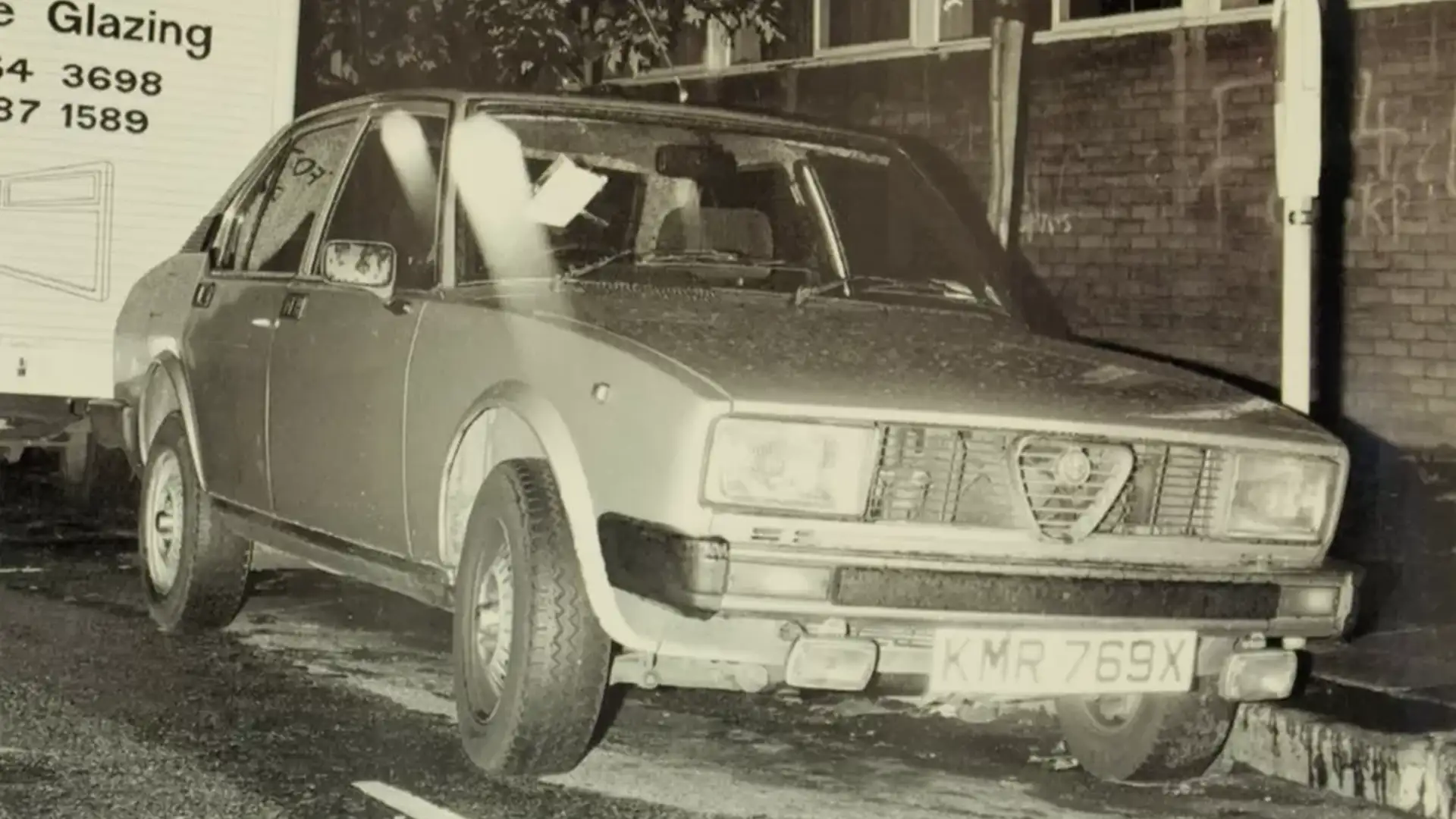
Exhibit B: Jancie Weston’s Alfa Romeo was found in Redhill Street, Camden. Bizarrely, the killer (or an accomplice of theirs) appears to have drive it back from from the scene of the crime.
The car, the plates and the men who disappeared
Janice’s Alfa was found on Redhill Street in Camden on 14 September, back in London and only a few miles from her home. It contained about £37 and keys to the flat and manor. There were traces of blood but no useful fingerprints, and less blood than detectives expected after such a violent attack.
An anonymous office worker said she had seen a scruffy, unshaven man abandon the Alfa two days earlier. He parked hastily, looked back and walked away. She described him as about 30, only 5ft 4in, with wild hair and dirty grey clothing. He has never been identified.
An even stranger event had occurred in Royston roughly two hours after Janice’s body was found. A clean-shaven man entered a motor-spares shop and ordered number plates bearing the exact registration of her Alfa: KMR 769X. Police could not explain why anyone connected to the murder would reproduce the number rather than discard it. One theory was that the plates were intended for a second vehicle to create confusion. The plates and their buyer vanished.
The plate buyer was described as 25 to 35, slim and ordinarily dressed. Contemporary reports compared him with the smartly dressed man seen in the lay-by, although neither description matched the short, dishevelled man who abandoned the car. An anonymous woman also telephoned police to say she had seen two vehicles and a woman between them in an A1 lay-by that night, but ended the call before officers could establish the precise location. None of these witnesses supplied the missing link between Janice’s London flat, the A1 and the return of her car.
Money, family and false trails
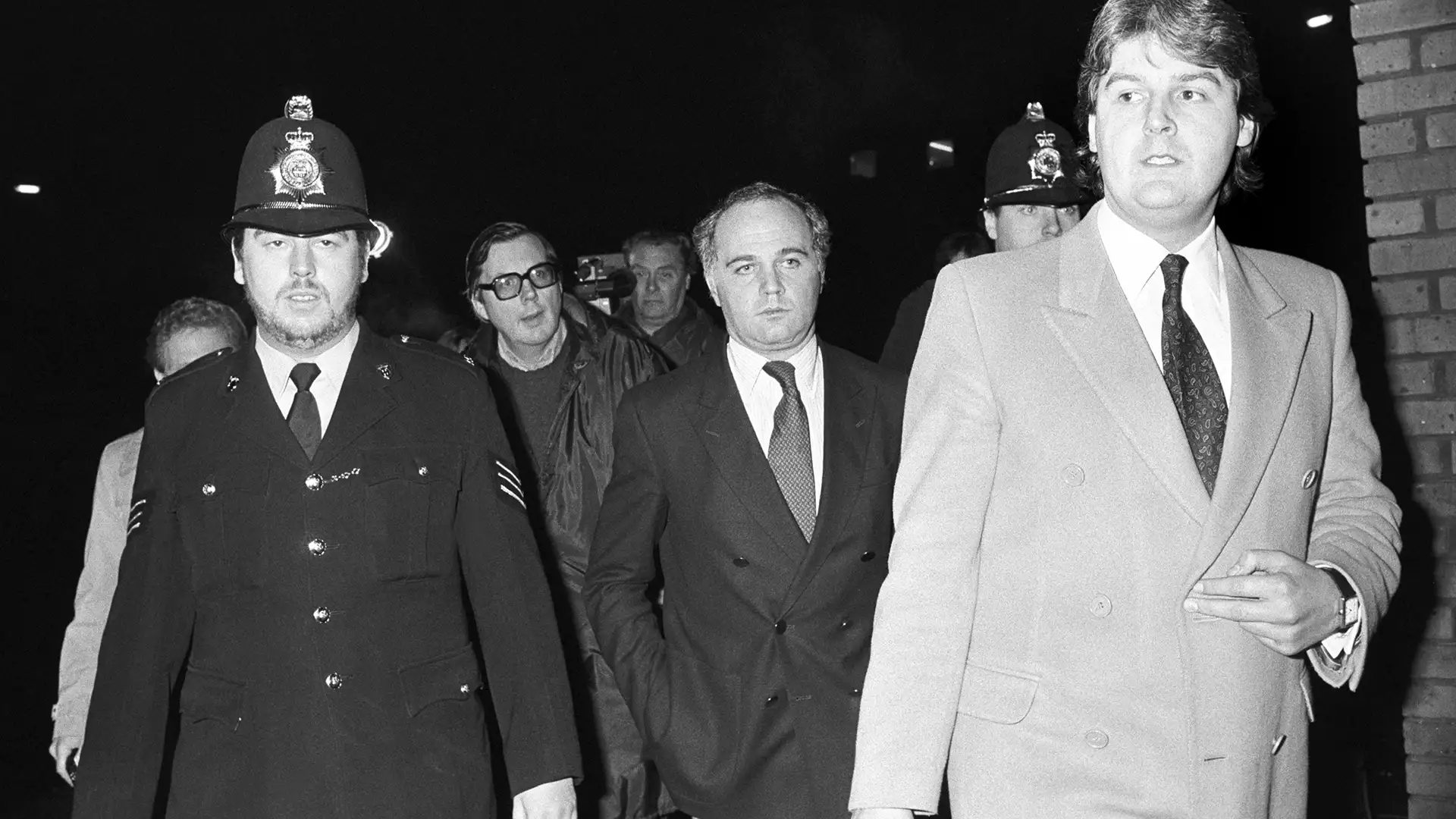
Tony’s stay in Paris was confirmed through hotel staff and financial records. Even so, police detained and questioned him for more than fifty hours in December 1983, apparently exploring whether he could have arranged the murder from abroad. Janice’s estate was worth just over £400,000, with about half left to her husband. No evidence supported that theory, and Tony was released from bail without charge in March 1984. He later complained about the manner of his detention; an internal investigation found no improper methods.
Detectives also examined money Janice had inherited before her marriage. An elderly former client, toy-company chairman Heinz Izner, had left her £140,000. His relatives had challenged the will and received a settlement, but said the dispute had ended amicably. No link to the murder was found.
Other leads proved equally barren. Dozens of people at a travellers’ site were detained after an undisclosed tip; two were questioned and cleared. A convicted murderer, Robert Delgado, later claimed Janice had been kidnapped for ransom after discovering a money-laundering operation. He named a supposed gangster and offered to show police where that man’s body had been dumped. Divers found nothing, investigators could not verify that the named man even existed and Delgado’s account was dismissed. Another violent offender who died by suicide in 1994 was considered and ruled out.
These lines of inquiry illustrate the central problem: Janice’s wealth and legal work generated many conceivable motives, but none explained the practical evidence—the repaired wheel, replica plates and purposeful return of the Alfa to London.
A diminishing window for justice
By the first anniversary, the original sixty-officer inquiry had been reduced to one detective. A 1984 Crimewatch reconstruction renewed appeals for the plate buyer and the man at the lay-by. The senior investigator said he could rule out robbery and sexual assault and believed a disagreement with someone accompanying Janice may have erupted while the wheel was being changed. No call led to an arrest.
Tony died in 2009 without learning who killed his wife. Over the years, private individuals promoted speculative theories involving drugs hidden in the spare wheel, international figures and criminal conspiracies. Cambridgeshire investigators examined claims presented to them but found no relevant new information. Such stories have never carried the evidential weight of the contemporary sightings.
The police formally reviewed the case again in 2018, exploring modern forensic opportunities, and it returned to Crimewatch in 2019. On the fortieth anniversary in 2023, the Major Crime Unit appealed again, warning that time was running out to bring the killer to justice.
The enduring clues are unusually concrete. Someone drove Janice’s Alfa from the A1 to Camden. Someone ordered duplicate plates within hours of the body being found. Someone left with the spare wheel. Whether those actions were performed by one man or several remains unknown. The answer most likely lies in why Janice abandoned her meal and set out towards Clopton Manor—and in the identity of the person she trusted, or felt compelled, to take with her.