

Case Summary
In the summer of 1994, Grantham was confronted by two murders only a few months and a few miles apart. Sharon Harper and Julie Pacey were at very different stages of life, and they were killed in different settings, but both had been strangled. The proximity of the crimes created an obvious and enduring question: had one man murdered them both?
Sharon was 21 and the mother of a baby daughter. She worked behind the bar at the Market Cross pub in Grantham and was making her way from work to collect her child when she disappeared in the early hours of Saturday 2 July. She did not arrive. Her body was later found in shrubbery on land off Earlsfield Lane, around half a mile from home. She had been beaten and strangled.
Julie was 38, married to her childhood sweetheart, Andrew, and had two children. She lived on Longcliffe Road and worked part-time at a nursery. On Monday 26 September, while her husband was at work and the children were at school, she was attacked inside the family home. Her 14-year-old daughter discovered her in an upstairs bathroom after returning from school. Julie had been sexually assaulted and strangled with a cord.
The two deaths left two young families without their mothers. They also generated parallel investigations whose paths repeatedly approached one another without ever producing proof that the same offender was responsible.
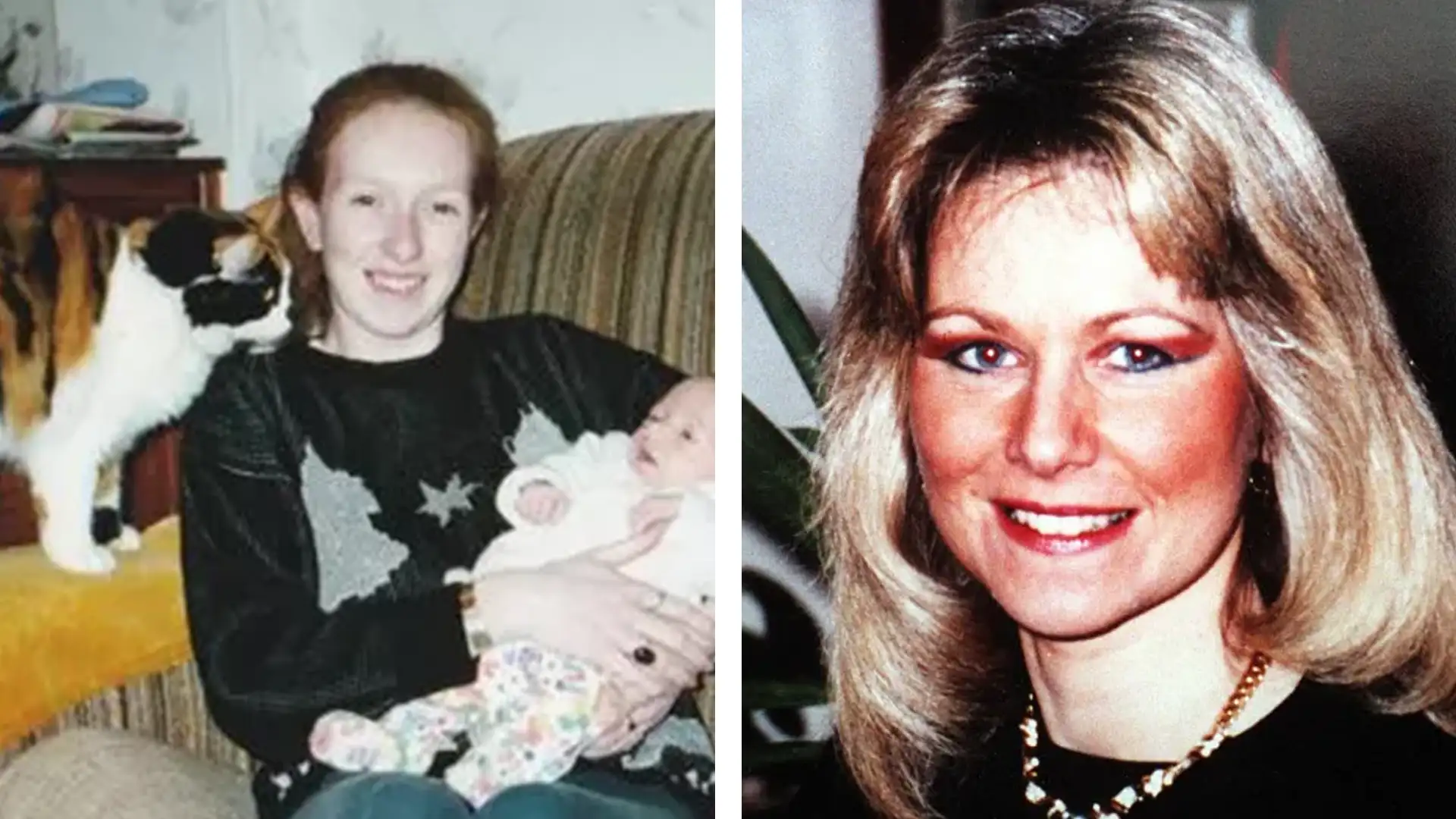
Sharon's final walk
Several customers saw Sharon leave the Market Cross after work. The journey ahead of her should have been unremarkable, yet the available sightings did not form a complete account of what happened next. Investigators examined reports that she had been seen in an argument near a telephone box and later considered whether she had entered a car, either voluntarily or because she was persuaded to do so.
The discovery of Sharon’s body was itself marked by missed opportunities. A passer-by noticed what he thought was someone sunbathing on the Saturday evening but did not approach. In the early hours of Sunday, a police officer searching nearby for a missing child also came close without seeing her. By the time the truth was recognised, valuable time had passed.
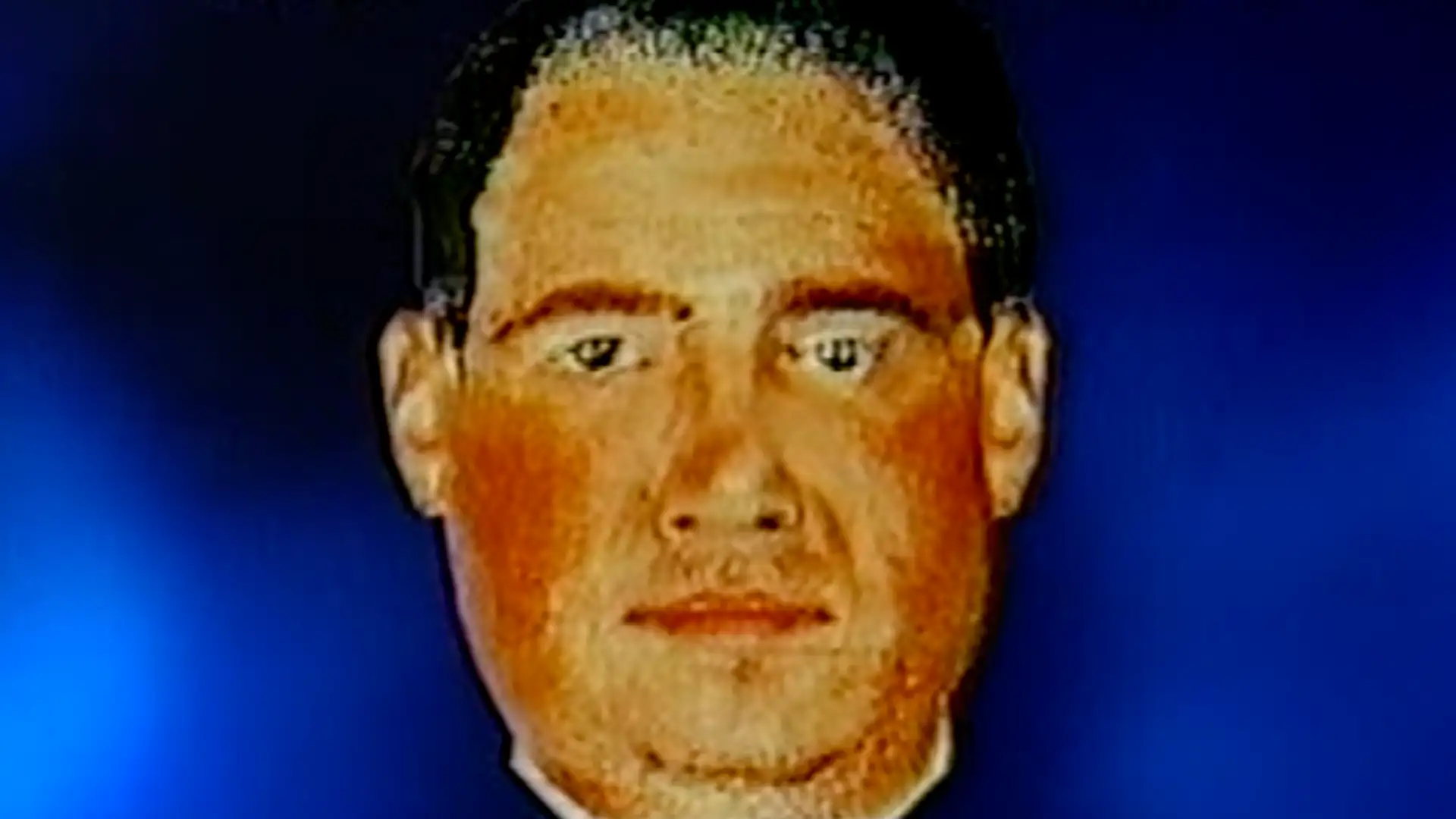
The inquiry included house-to-house work, witness appeals, forensic testing and a Crimewatch reconstruction. Police released a likeness of a man they wanted to identify and appealed to people travelling through the area, including holidaymakers towing caravans towards the coast. They also received two telephone calls from a man who withheld his name. His information was treated seriously enough for detectives to ask him repeatedly to make contact again.
DNA testing helped investigators establish that Sharon had consensual sex with a man known to her before her death; police said she had not been sexually assaulted. That finding distinguished her case from Julie’s, but it did not identify Sharon’s killer. Arrests were made in later years, including two people questioned in 1999, but nobody was charged.
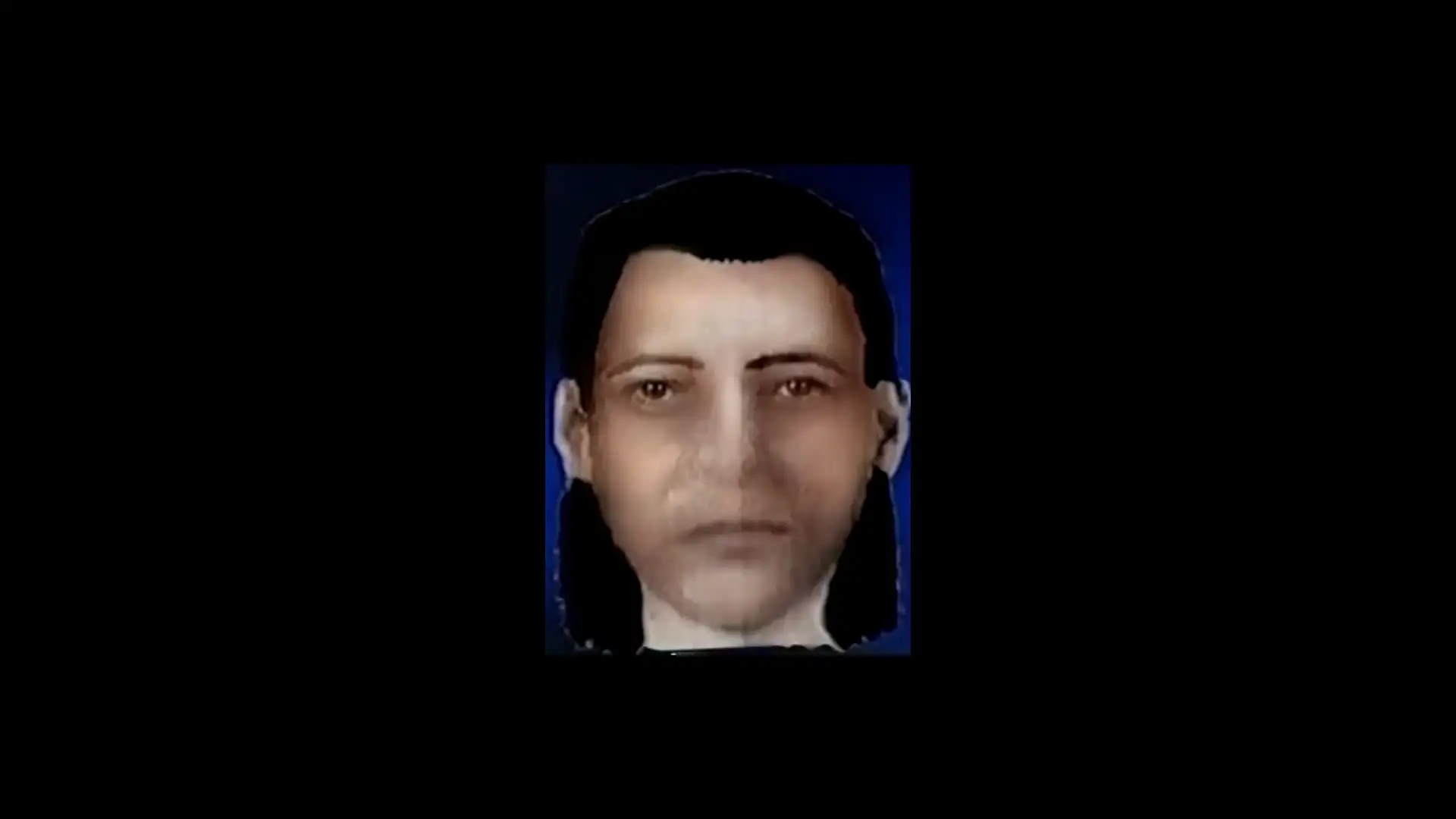
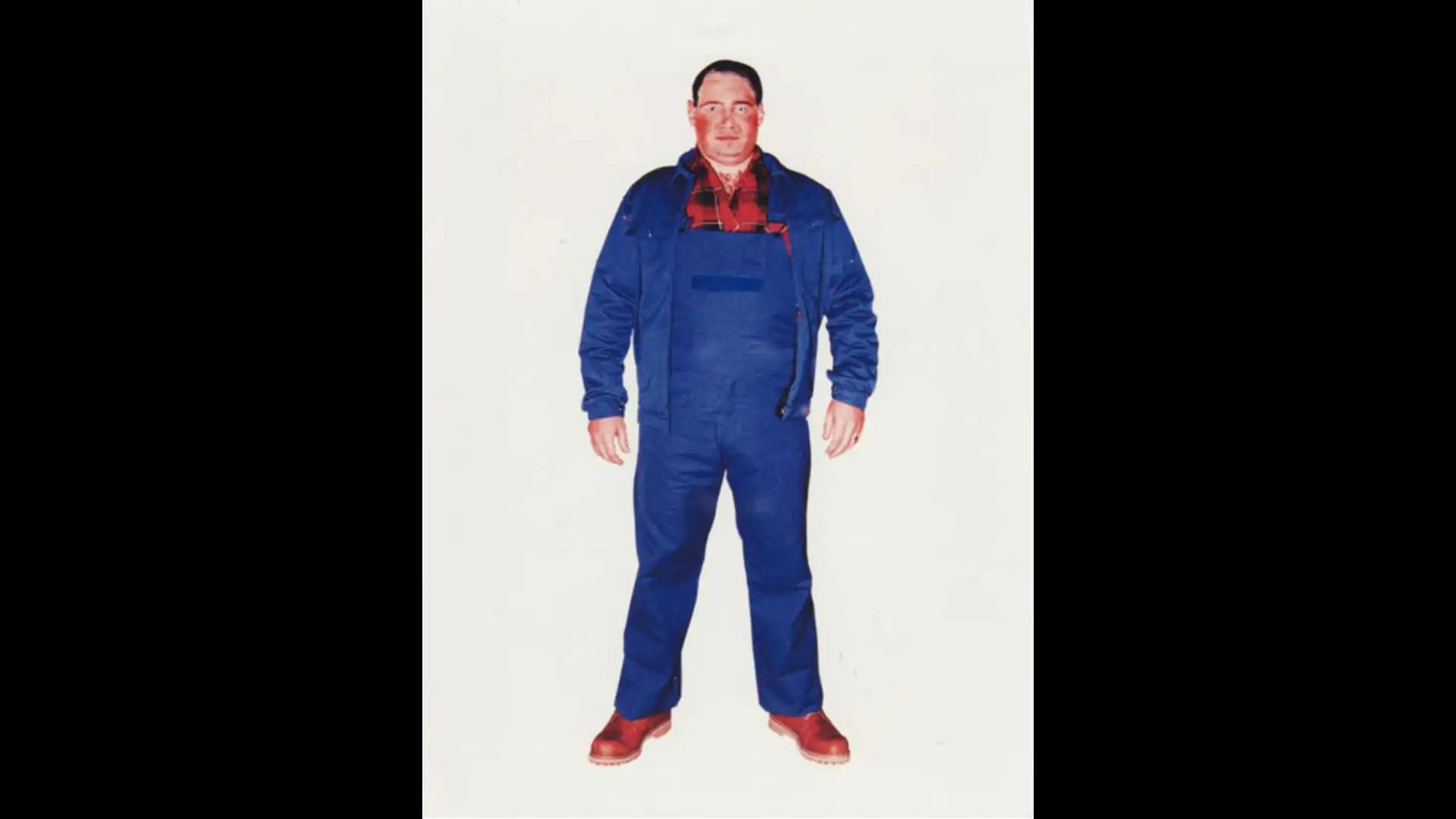
The man in blue overalls
In Julie’s case, the most important witness descriptions concerned a stranger who appeared to be watching or approaching her home. A man in blue overalls called at the house three days before the murder when Julie was alone and asked for directions. A similarly described man was seen near the property on the day she died. Witnesses remembered a stocky build, a round, noticeably ruddy face, rough hands and workman’s boots. He became known as “Overalls Man”.
Police believed it was possible that the caller had used an innocent question to look inside the house, then returned when he expected Julie to be alone. They issued several artist’s impressions and reconstructed his movements on television. Officers also sought information about a blue BMW seen in the area, although it was never publicly established whether the car and Overalls Man were connected.
The house did not appear to have been ransacked. One distinctive possession was missing: a wristwatch Julie had bought during a recent family holiday in France. It was not especially valuable, but it was unusual enough to be recognisable. Detectives considered whether the killer had kept it, discarded it or given it to somebody who did not know where it had come from.
An anonymous caller also contacted police after Julie’s murder. Investigators were able to narrow the origin of the call only partially and did not dismiss it as a hoax. They continued to ask the caller to get back in touch. As with the anonymous calls in Sharon’s inquiry, however, the contact did not deliver the identity police needed.
A forensic route to Julie's killer
The strongest surviving evidence in either investigation belongs to Julie’s case. Advances in forensic science eventually allowed specialists to recover an almost complete male DNA profile from material preserved from the crime scene. Lincolnshire Police announced the development in 2015, describing it as a potentially decisive route to the offender.
The profile did not match anyone on the national DNA database. That did not weaken its evidential value: it meant that any properly identified man could be compared with it and either investigated further or eliminated. A renewed Crimewatch appeal produced dozens of calls and a number of names, all of which required checking.
The publicity also generated an extraordinary distraction. Some viewers mistook the actor who had played Overalls Man in the original 1994 reconstruction for the real suspect. He voluntarily provided a DNA sample and was ruled out. The episode illustrated both the power and the risk of televised reconstructions: a memorable face can revive public interest, but it is still only a representation of a witness description.
The unidentified DNA profile remains the most concrete prospect of solving Julie’s murder. A match could reveal not only who sexually assaulted and killed her, but also whether the man seen at her home was the offender or simply an unrelated visitor.
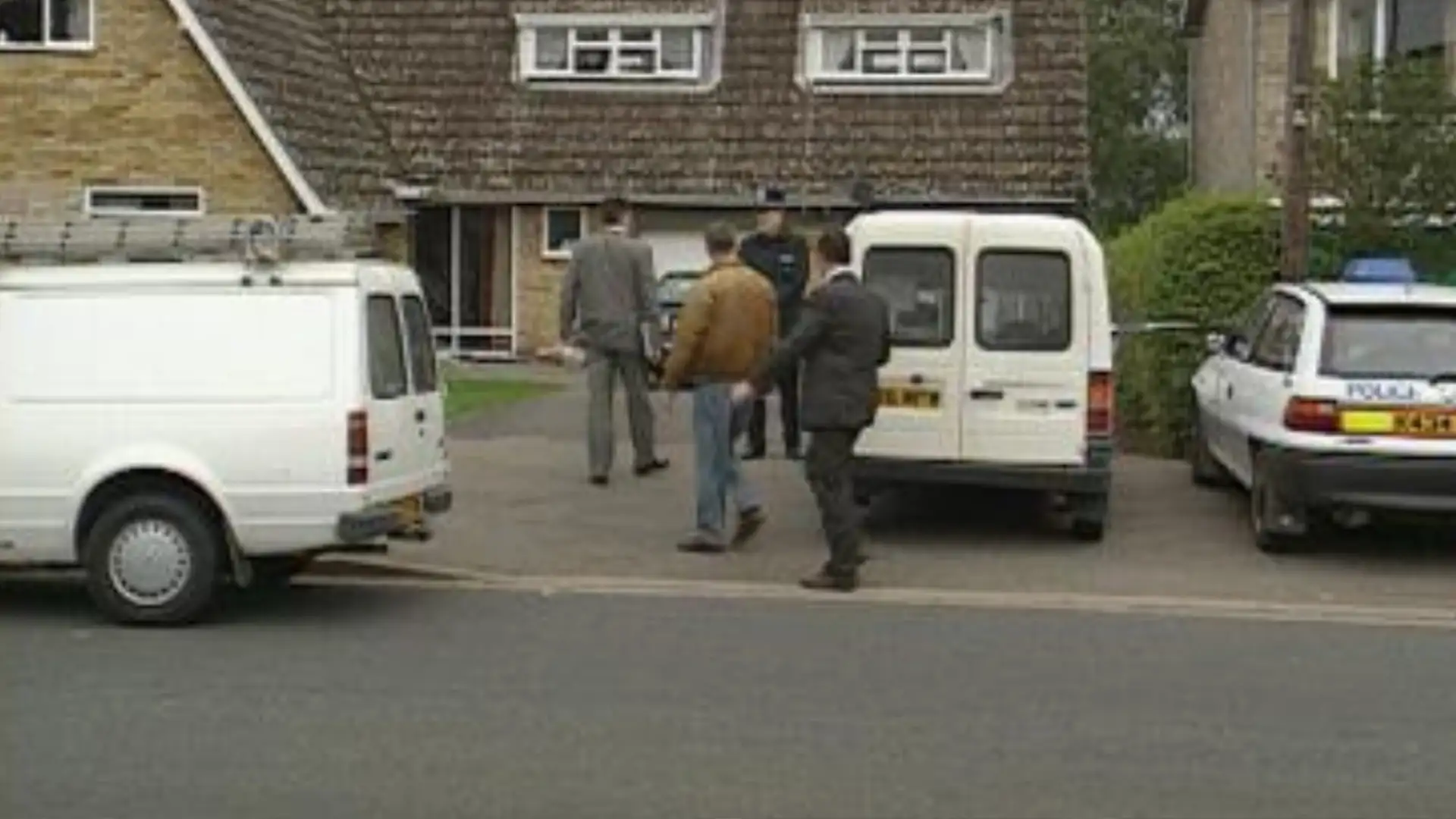
“If we can link that DNA to a person, it is entirely possible we may have found Julie’s murderer.”
Detective Inspector Helen Evans, Lincolnshire Police
Linked by possibility, not proof
From the outset, some investigators and members of the public suspected a Grantham serial killer. Both victims were women, both were strangled, and both murders occurred within a short period in a town unaccustomed to crimes of that severity. Other features pointed away from a single explanation. Sharon was attacked outdoors while travelling at night; Julie was targeted in her home during the afternoon and sexually assaulted. Police responsible for the individual inquiries were generally cautious about declaring a link.
The question was later considered under Operation Enigma, a national review that compared unsolved murders of women for similarities in offender behaviour, geography and forensic evidence. External reviewers reportedly placed Sharon and Julie among cases worth examining together. That was an investigative hypothesis, not a finding that one man had killed both women.
The distinction remains important. No forensic evidence has been made public that connects Sharon’s murder scene with Julie’s, and nobody has been charged in either case. It is possible that Grantham experienced two unrelated murders in 1994; it is also possible that a connection has yet to be uncovered. Julie’s DNA evidence may ultimately settle the issue. Until then, the two cases remain linked most securely by place, time and the unresolved loss carried by their families.

“I wanted to thank you on such a wonderful job you did. I really enjoyed watching it and am so pleased.”
Sara, Sharon Harper’s daughter via direct message after The Crime Portal’s video was released