Case Summary
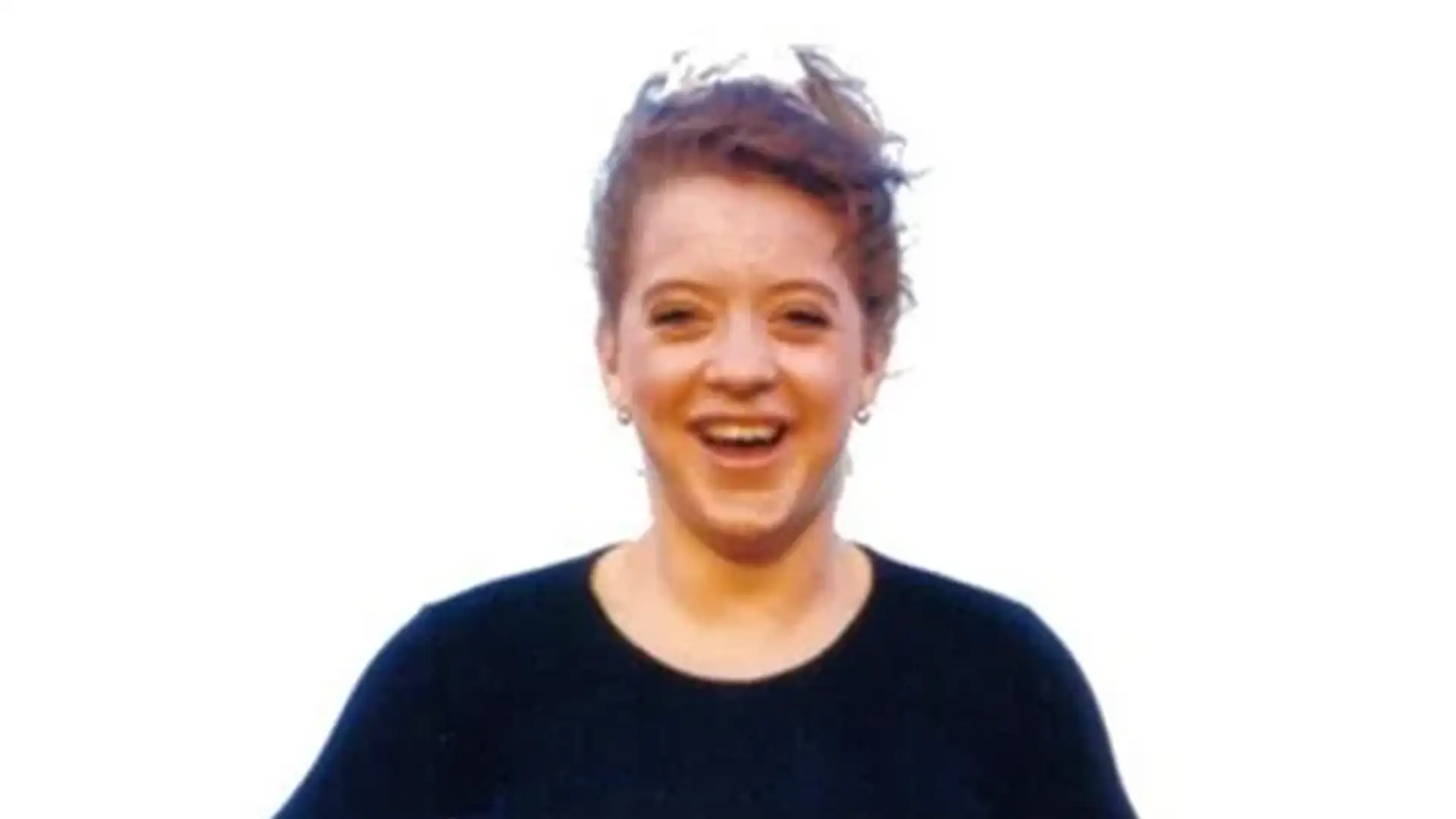
Vicky Glass was born in Stockton-on-Tees on 21 September 1979. She grew up in a close blended family with her sister Claire, stepsister Cheryl and younger brother Thomas. Music was one of the constants in her early life: she loved Michael Jackson and the musical Cats, and from the age of 13 she played in a local jazz band, travelling to performances and enjoying life on stage.
After leaving Blakestone Secondary School with five GCSEs, Vicky found factory work. Around the age of 18, however, she became addicted to heroin. Her health and housing deteriorated and she was drawn into street sex work to pay for drugs. By 1999 she was homeless and suffering from a serious chest infection when an acquaintance offered her a room at a house in Petch Close, Middlesbrough. He helped her attend medical appointments and she remained there for several months, but addiction continued to make her vulnerable.
That vulnerability shaped much of the early reporting about Vicky. Newspapers routinely described her by her work rather than by her name or the life she had lived before drugs. Her mother, Deborah Goodall, challenged that attitude after the murder: Vicky was a 21-year-old woman and daughter, and the circumstances in which she earned money did not reduce the value of her life.
Twenty minutes from home
On Saturday 23 September 2000, two days after her 21st birthday, Vicky left Petch Close with a friend around midday. She was later seen in the Cannon Park and Gresham areas of Middlesbrough. Near midnight she met a client on Borough Road and went with him to an address on Princes Road. They then took a taxi to his home in Norton.
Vicky stayed only briefly before calling a firm she used regularly and asking for a taxi back to Middlesbrough. A white Vauxhall Vectra collected her at about 4am on Sunday 24 September. At approximately 4.20am she got out at the junction of Union Street and Eshwood Square, behind the Shipmate pub. The driver returned to the taxi office and was accounted for.
Petch Close was only about five minutes away on foot. Vicky did not arrive. The man she lived with contacted her friends and checked places she was known to visit, then reported her missing on 27 September. At first, police publicly said they were concerned for her safety but did not connect her disappearance with the recent murder of another young woman, Kellie Mallinson. Kellie’s killer was later convicted, and police found no link between him and Vicky’s case.
The few minutes after Vicky stepped out of the taxi remain the decisive gap. She may have met somebody she knew, accepted a lift or encountered a person already waiting in the area. What is certain is that she did not simply continue the short walk home.
The road to Danby
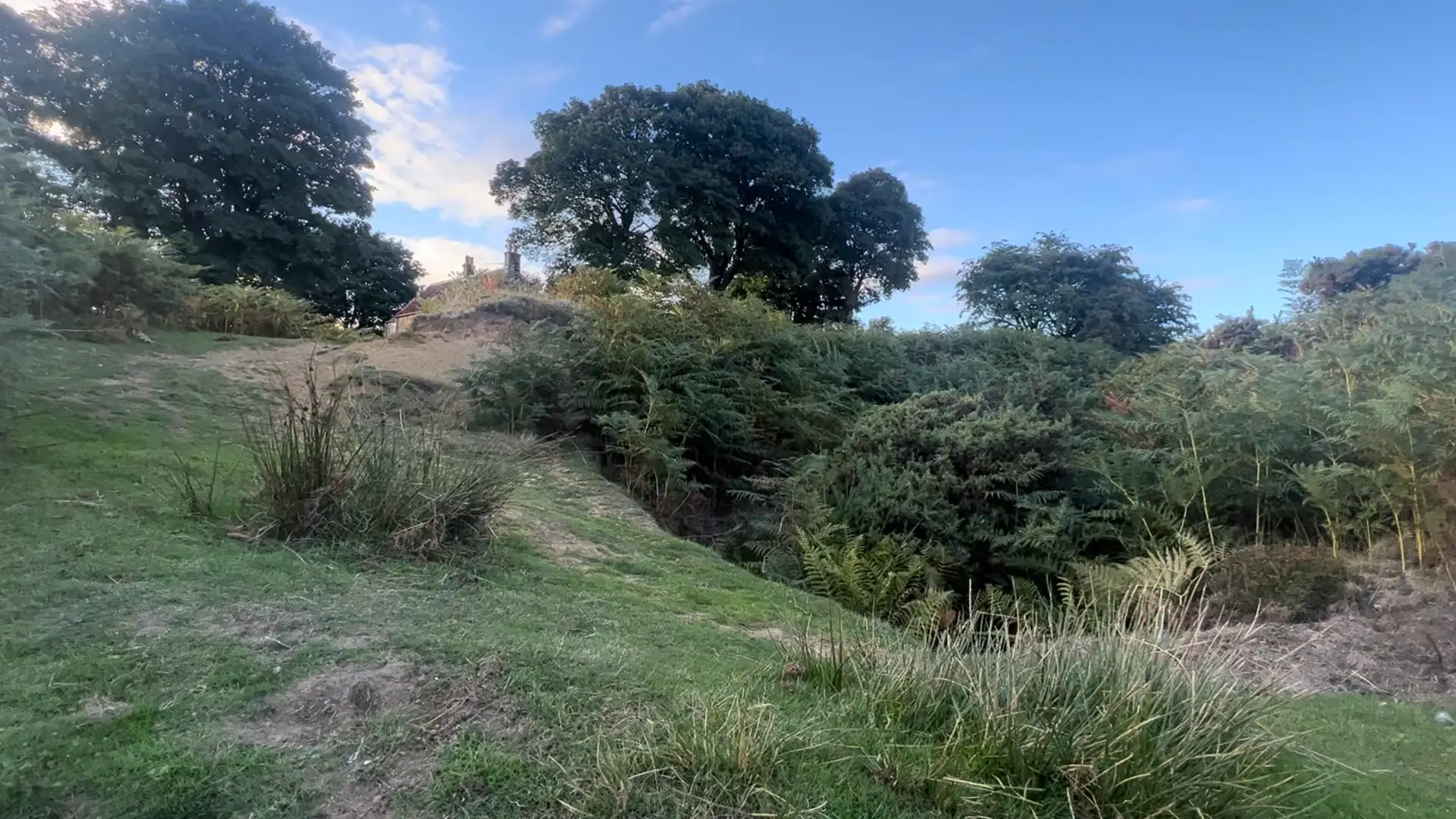
At about 6am on Friday 3 November, six weeks after Vicky disappeared, a dog walker found her body in a ditch off West Lane near Danby in the North York Moors. The location was roughly 20 miles from Middlesbrough and well away from the places where she usually spent time. Her body had been exposed for too long for a cause of death to be established. The clothes she had worn on 24 September were missing and have never been recovered.
Cleveland and North Yorkshire Police launched a joint murder inquiry. Detectives believed Vicky had been killed somewhere else and transported to the moors. They asked visitors who had travelled through Danby to remember parked vehicles, especially anything stopped on the roadside hard standing near the village.
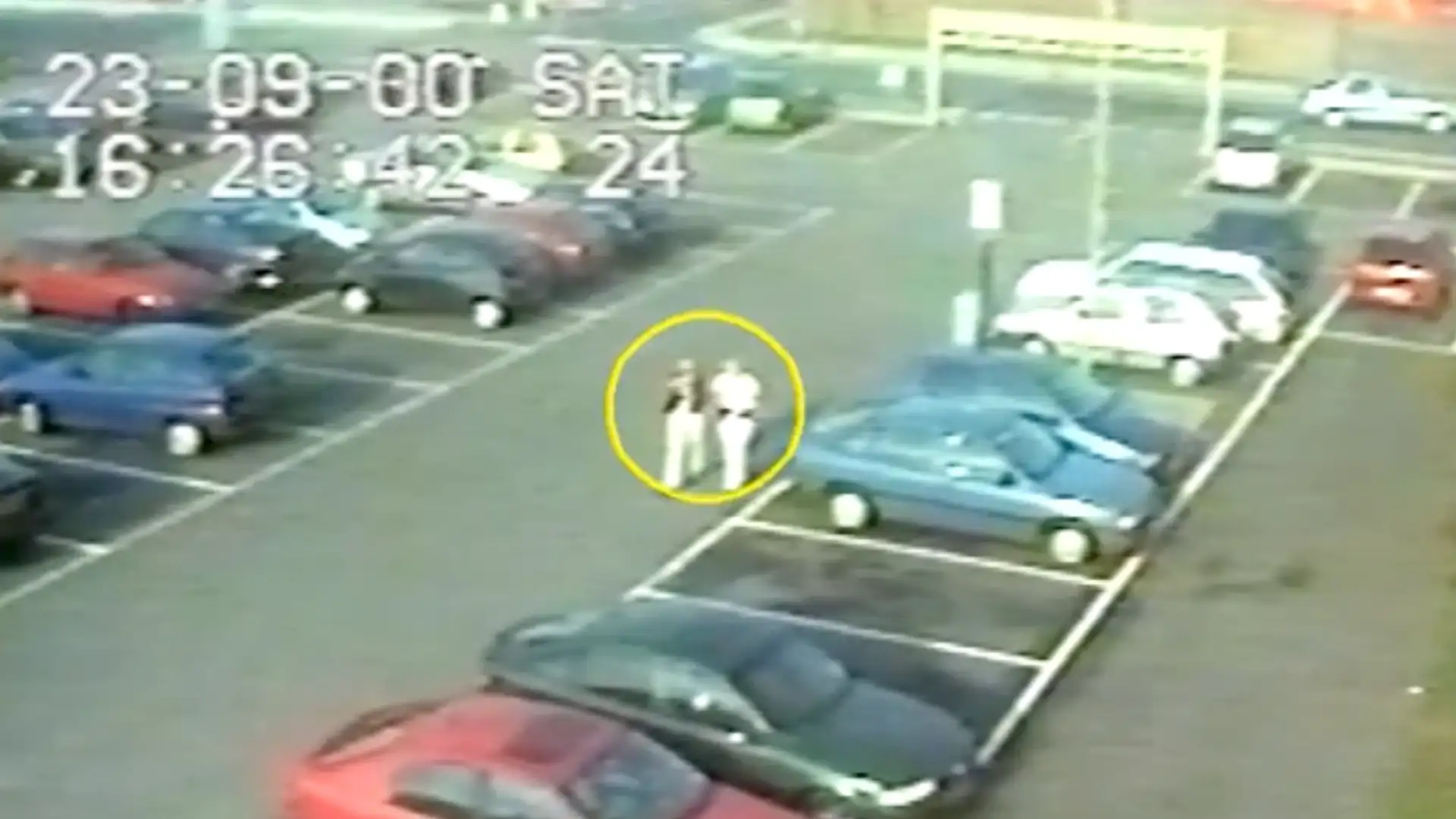
The team also worked backwards through Vicky’s final night. More than 70 hours of town-centre CCTV were reviewed. Police released descriptions of several people captured in the area—couples near local pubs, a lone cyclist and others who might have witnessed something—but none was publicly identified as the killer.
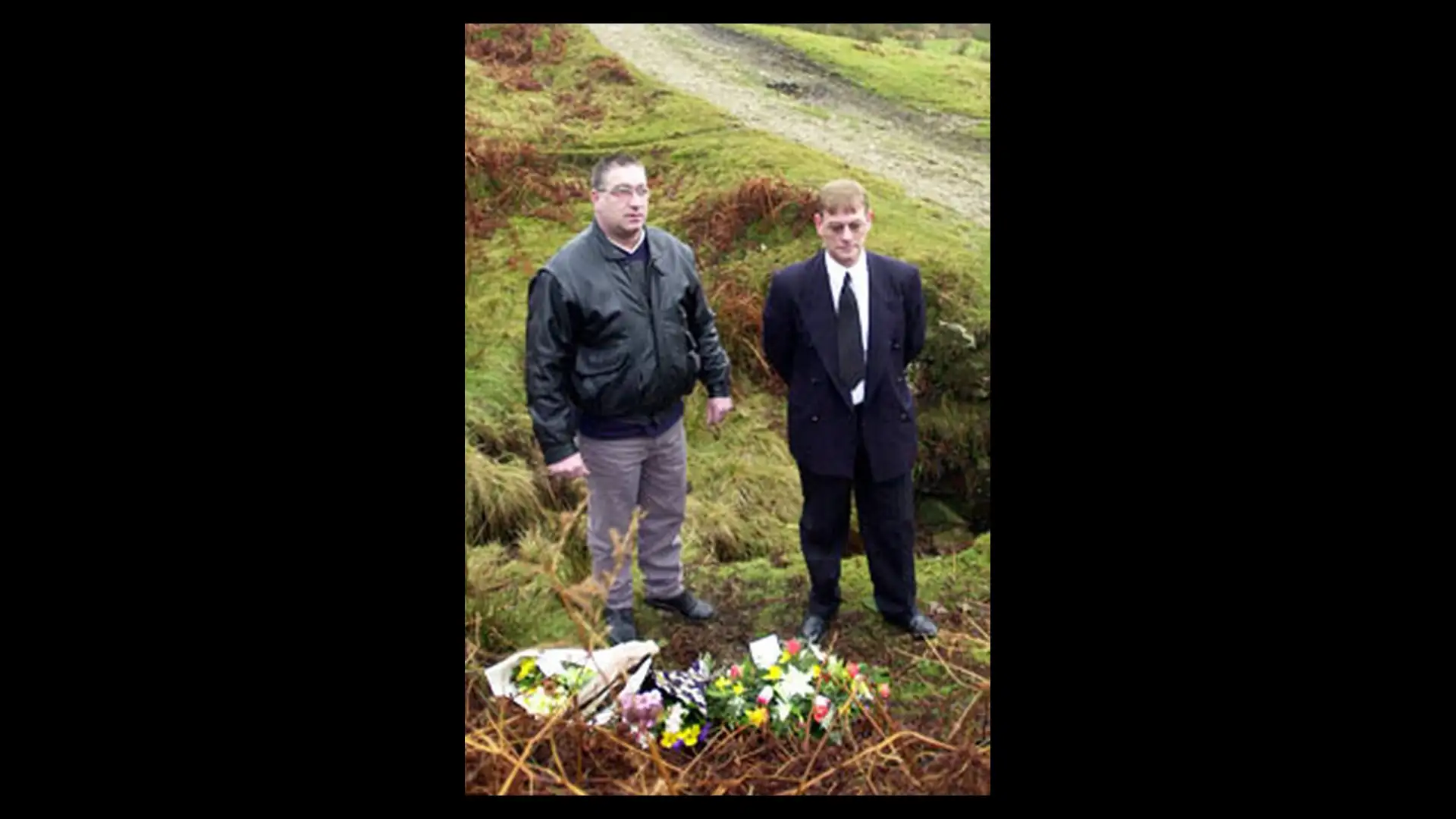
Family appeals became a central part of the investigation. Deborah asked the women who worked alongside Vicky to speak to detectives, while Vicky’s father Tony Glass and stepfather Colin Goodall laid flowers at Danby and pleaded for anyone withholding information to end the family’s uncertainty. Hundreds of people were interviewed and numerous statements taken, yet the route from Middlesbrough to the moors remained unexplained.
The lorry-park enquiries
Investigators devoted particular attention to Cannon Park, an overnight lorry park used by drivers from across the country. Vicky sometimes met clients there and was known to accept lifts out of town. A lorry driver had given her £10 on the evening before she vanished, and she left a bag of clothes with him intending to return. Police also sought a broad-built driver in his thirties, with bushy eyebrows, white or grey hair and a mole on his left cheek, who was seen leaving the park in the early hours of 24 September. It was never made clear whether these accounts referred to the same man.
A 39-year-old lorry driver from Grimsby was arrested in 2001 and released. The following year, police arrested Eric Coates, a 47-year-old man from Huby in North Yorkshire who acknowledged that he had met Vicky and used sex workers. His home and other family properties were searched, but in April 2002 police told him he would not be charged in connection with Vicky’s death.
Other convicted killers were considered over the years. Police examined John Taylor after his conviction for the murder of Leanne Tiernan and later ruled out Bradford murderer Stephen Griffiths. Journalists have suggested Christopher Halliwell, but Cleveland Police have not publicly identified him as a suspect in Vicky’s case. None of those comparisons amounts to evidence of responsibility.
The distinction matters because a long unsolved case naturally attracts notorious names. The genuine evidential questions are more specific: who met Vicky after 4.20am, what vehicle carried her to Danby, and where was she killed?
“Somebody must know who took her up to Danby or who she was with and never returned.”
Anthony Glass, Vicky’s father
A reinvestigation after early failures
In 2018 the Home Office awarded £3.77 million to establish a Historic Investigation Unit for Vicky’s murder, the disappearance of Donna Keogh and the murder of Rachel Wilson. An independent assessment behind the funding recorded serious shortcomings in the original approach to Vicky’s case, including failures to revise the investigation adequately after it became clear that she had been murdered and incomplete work following earlier reviews.
The unit reviewed the surviving material and, in 2021, recommended a full reinvestigation. A new team announced that it had identified more than 300 pieces of work and new lines of enquiry, including the use of modern forensic techniques and a fresh examination of the original CCTV. Detectives again appealed to the people who knew Vicky, stressing that exploitation and circumstance—not free choice—had placed her on the street.
Deborah died in 2015 without learning who killed her daughter. Vicky’s sisters have continued to speak publicly, describing how their mother’s life changed permanently after the murder. Their loss is part of why the renewed investigation matters. It is not simply an effort to attach a name to an old file, but to account for a young woman whose disappearance was compressed into a five-minute walk and whose killer has remained unidentified.